Water Heater Problems: Troubleshooting, Repair, and Replacement Options
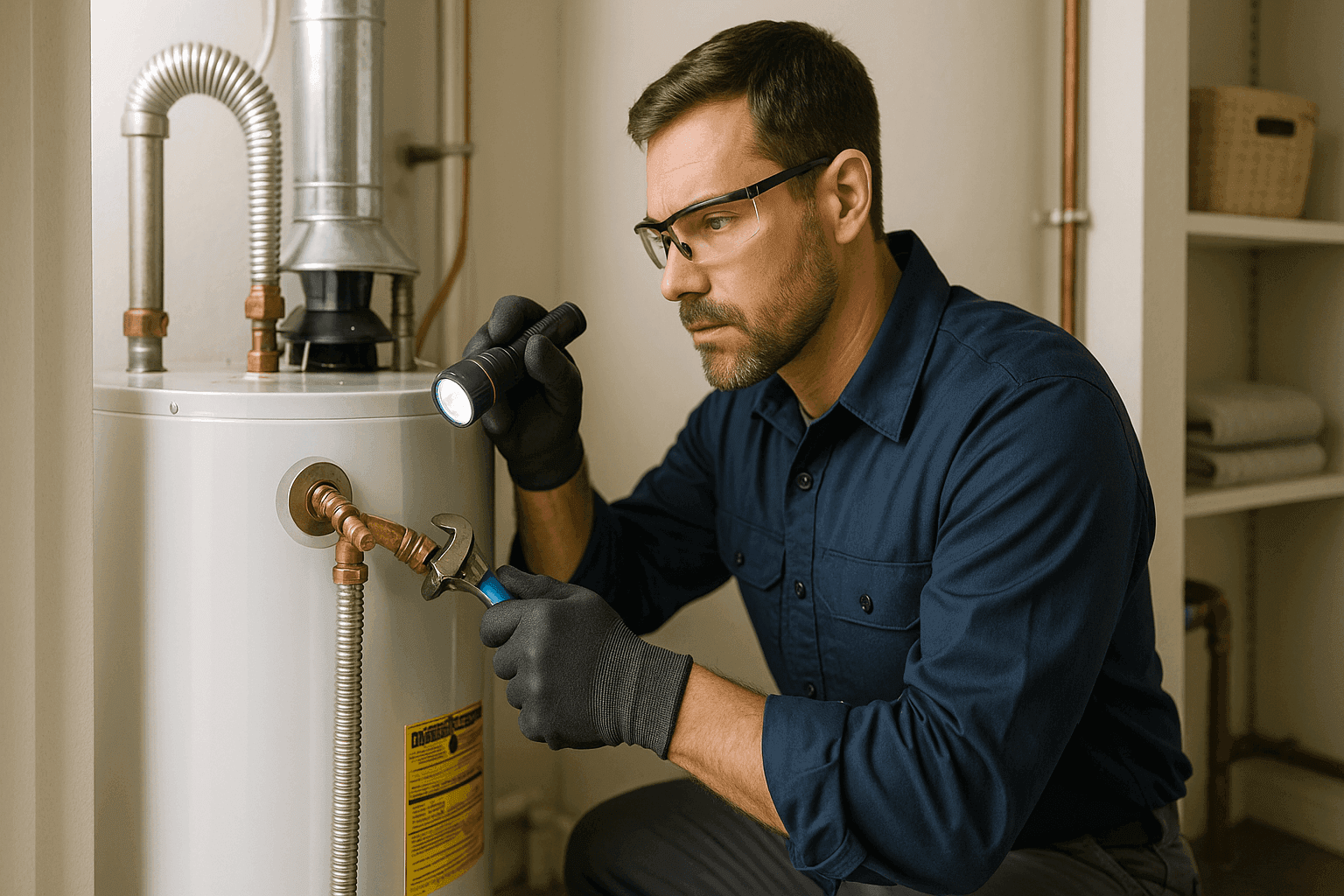
No hot water on a cold morning. That sinking feeling when you spot a puddle near the water heater. Or maybe you hear rattling and pops echoing from your basement. If you’re here, you probably know that water heater problems never arrive at a “good” time.
At Plumbing Xpert, we understand the stress a faulty water heater brings. Our residential customers count on us for quick, safe, and reliable solutions — day or night. Let’s walk through the most common problems, what you can do, and when it’s time to bring in an emergency plumbing pro.
Common Water Heater Problems 🛠️
Water heaters are the unsung workhorses of the home. But with constant use, parts wear out, sediment builds up, and leaks can happen without warning. Here’s what most homeowners run into:
- No Hot Water: The classic. Usually points to a failed heating element, thermostat trouble, or gas supply issues.
- Strange Noises: Rumbling, popping, or banging? That’s often sediment baking on the tank bottom.
- Leaks: Water pooling around the base may mean a broken valve, loose connection, or worst-case, a rusted tank.
- Rusty or Discolored Water: Corrosion inside the tank or pipes can send orange-tinted water to your taps.
- Low Hot Water Pressure: Mineral buildup can choke supply lines, especially in older homes.
- Water Too Hot (or Cold): Thermostat set wrong, or a failing thermostat altogether.
- Pilot Light Problems: For gas heaters, a stubborn pilot light can mean a bad thermocouple or gas line issue.
Recognize any of these? Some fixes are simple. Others need tools, experience, and code knowledge.
Quick Safety Checklist
Before you touch a single pipe or dial, safety comes first. Water heaters mix electricity, gas, and pressurized water. Don’t risk it.
- Switch Off Power: For electric heaters, flip the breaker. For gas, turn the dial to “off.”
- Shut Off Water Supply: Close the cold water inlet valve above the tank.
- Let It Cool: Hot water burns fast. Wait until the tank cools before draining or inspecting.
- Check for Gas Smell: If you smell gas, leave the area and call emergency services. Don’t light matches or flip switches.
- Review Manufacturer’s Manual: Every heater is a bit different; follow your model’s instructions.
The National Fire Protection Association (NFPA) and local building codes provide guidelines for safe operation. When in doubt, play it safe.
DIY Troubleshooting Steps
Some water heater issues can be handled with basic tools and patience. If you’re comfortable and the issue isn’t urgent, try these steps:
No Hot Water
- Check the Thermostat: Make sure it’s set between 120–130°F (per U.S. Department of Energy guidelines).
- Reset the System: Electric units often have a reset button behind a panel. Press it if it’s tripped.
- Inspect the Pilot Light: For gas heaters, relight if it’s out (see your manual for instructions).
Strange Noises
- Flush the Tank: Sediment builds up at the bottom and “pops” when heated. Turn off, let cool, attach a hose to the drain valve, and flush until clear.
Leaks
- Tighten Connections: Sometimes it’s just a loose fitting.
- Check the T&P Valve: The temperature and pressure relief valve may drip when it’s doing its job. If it’s steady or pooling, it’s a problem.
Rusty Water
- Run Cold Tap: If only hot water is rusty, the problem’s likely in the water heater, not your plumbing.
If these steps don’t help — or if you’re ever unsure — stop and call an emergency plumbing service like Plumbing Xpert. Water and wiring don’t mix, and gas leaks are no joke.
Repair vs. Replace: Knowing When It’s Time
Water heaters aren’t meant to last forever. Like a worn pair of shoes, they eventually need to be replaced. The big question: repair or replace?
When Repair Makes Sense
- Unit is under 8 years old
- Problem is minor: Thermostat, heating element, or valve replacement
- No signs of tank corrosion
When Replacement is Best
- Age: Most tanks last 8–12 years (per manufacturer standards)
- Multiple Repairs: Frequent emergencies signal the end is near
- Rusty, Leaking Tank: Once the tank itself is compromised, repair isn’t safe or cost-effective
- Inefficiency: Old units cost more to run; newer models save energy and money
Before you decide, check your warranty. Some parts may be covered, but DIY fixes can void coverage. Always read the fine print.
Cost Factors: What to Expect
Every home, every heater, every fix — a little different. But here’s what affects cost and time when considering repair or replacement:
- Type of Heater: Tank vs. tankless. Gas vs. electric.
- Age of System: Older units may need more labor (or have hard-to-find parts).
- Severity of Problem: Small leaks or element swaps take less time than a full install.
- Accessibility: Tight crawlspaces or upper floors can add to labor costs.
- Local Code Requirements: Some towns require permits or inspections.
On average, minor repairs are usually completed within a couple of hours. Full replacement can take half a day or more, especially if plumbing or gas lines need updating. For larger jobs like repiping, fixture installation, or Sewer Line Repair near you, timelines may extend.
When It’s an Emergency
Some water heater issues can’t wait. Here’s when to call Plumbing Xpert right away:
- Major Leaks or Flooding: Immediate shutoff and professional help are needed to prevent structural damage and mold.
- No Hot Water in Winter: In cold climates, lack of hot water can quickly become a health risk.
- Gas Smells or Suspected Carbon Monoxide: These are urgent, life-safety issues.
- Scalding Water at the Tap: A failed thermostat can send dangerously hot water through your home.
Don’t wait if you’re unsure. Emergency plumbing teams are trained to respond safely, quickly, and in compliance with local codes.
Prevention & Maintenance Tips
A little care goes a long way. Here’s how to keep your water heater running strong:
- Annual Flush: Clears sediment and prevents noise, corrosion, and inefficiency.
- Test T&P Valve: Lift the lever once a year; replace if it won’t reset or shuts off.
- Inspect for Leaks: Check around fittings and valves regularly.
- Adjust Temperature: Stay within recommended ranges (120–130°F) to save energy and prevent scalds.
- Schedule Preventative Maintenance: Regular checkups catch small issues before they become emergencies.
The U.S. Department of Energy and local utilities offer more advice on efficient water heating and home safety.
FAQ: Water Heater Worries
How long should my water heater last?
Most tank models last 8–12 years. Tankless heaters can last up to 20 years with proper care.
Is it safe to repair my own water heater?
Some steps are homeowner-friendly, like thermostat checks or draining sediment. For gas, electrical, or tank repairs, always call a qualified technician. DIY mistakes can void warranties or cause safety hazards.
What’s the difference between a leak and condensation?
Condensation forms when cold water enters a warm tank — it’s usually temporary. Persistent puddles, however, mean a leak.
Can I replace my water heater with a bigger one?
Yes, but it may require plumbing and electrical upgrades to meet code. Always consult a licensed plumber.
Local and Seasonal Considerations
Winter can be especially hard on water heaters. Colder temperatures force your system to work overtime, sometimes exposing weak parts or increasing sediment buildup. In areas with hard water, scale and mineral deposits shorten system life — regular maintenance is key. If you’ve just moved or renovated, consider a full system check, including backflow prevention and Sewer Line Inspection, to spot hidden issues before they become emergencies.
The Bottom Line
A reliable water heater is essential for your family’s comfort and safety. If you’re facing leaks, cold showers, or strange noises, don’t wait for a full breakdown. Plumbing Xpert is ready to help — day or night — with honest advice, safe repairs, and all the emergency plumbing services you need.
Call Plumbing Xpert now — or reach us anytime at 877-657-7699 .