Toilet Repair Guide: DIY Fixes for Common Problems
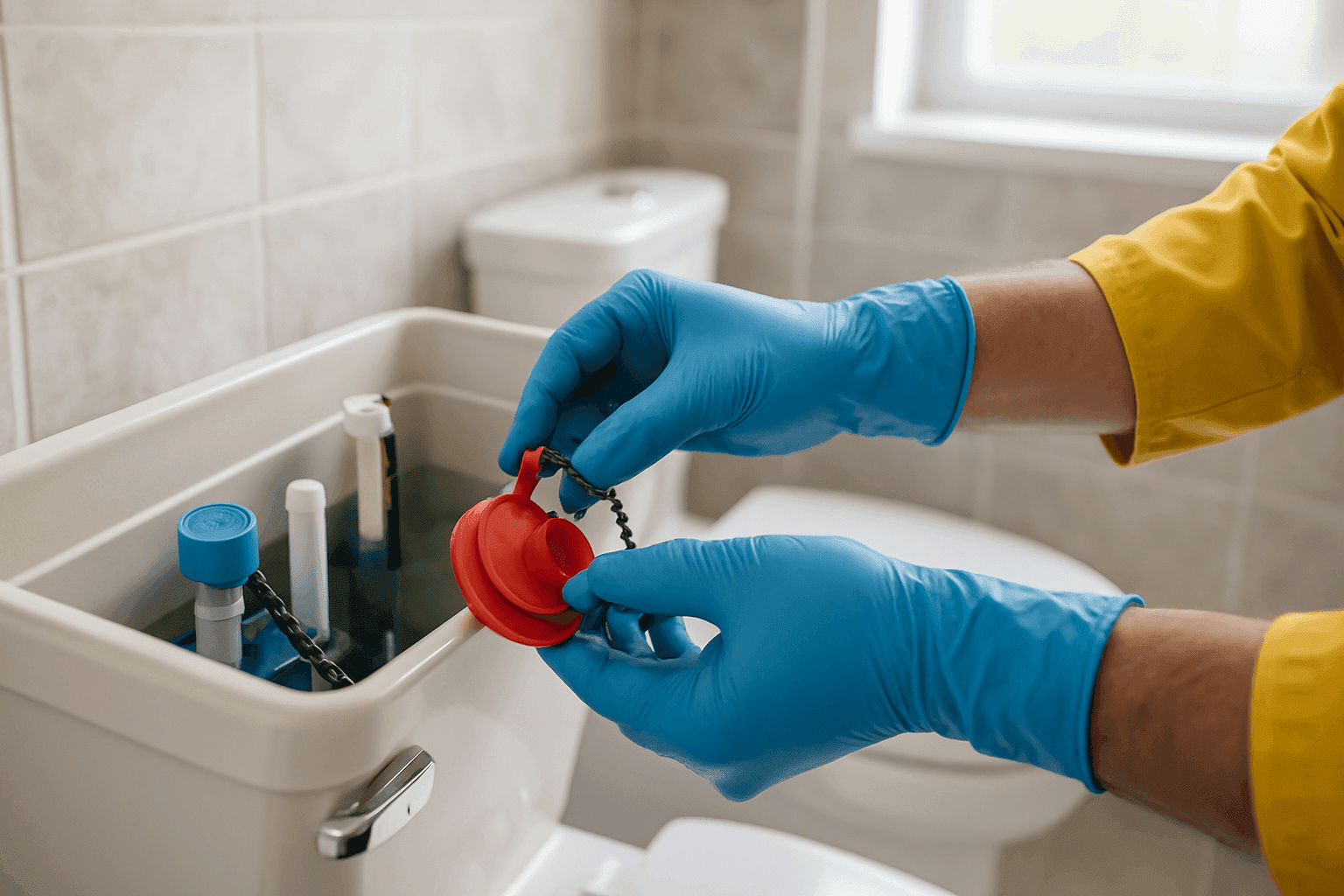
Is your toilet making noises in the night? Maybe it's running, hissing, or leaking water onto your bathroom floor. You’re not alone. Toilet troubles are one of the most common reasons homeowners call Plumbing Xpert for emergency plumbing help.
But not every problem needs a panic call. With a few basic tools and a willingness to get your hands a little wet, you can tackle many common toilet repairs yourself. And if things get messy—or the water just won’t stop—knowing when to call in a professional can make all the difference.
Most Common Toilet Problems 🚽
Toilets are like unsung heroes—always working, rarely thanked. Until something goes wrong. Here are the issues we see most often:
- Running Toilet: Water keeps running into the bowl. Sounds like a gentle waterfall, but wastes gallons daily.
- Leaking Base: Water pools around the toilet’s bottom. Could be a wax ring issue or cracked flange.
- Phantom Flushes: The tank refills randomly, as if haunted.
- Weak Flush or Clogs: Water swirls but doesn’t clear the bowl.
- Handle Problems: Jiggle, jiggle—nothing. The handle’s loose or unresponsive.
- Tank Won’t Fill: After a flush, the tank stays empty or refills slowly.
If you notice water on the floor, hear constant running, or your toilet just won’t flush right, it’s time to investigate.
Quick Safety Checklist
Before you roll up your sleeves, stop! Take these steps for a safer repair:
- Shut Off the Water: Look under the toilet for a valve. Turn it clockwise until snug.
- Clear the Area: Remove rugs and anything you don’t want wet.
- Have Towels Ready: For unexpected drips or spills.
- Wear Gloves: Bathrooms can harbor germs.
- Keep a Bucket Nearby: Great for draining tank water or catching leaks.
- Avoid Flushing During Repairs: This prevents accidental overflows.
Remember, a little preparation goes a long way—and can save your bathroom from a mini flood.
DIY Toilet Repairs (Flapper, Fill Valve, Leaks)
Let’s break down the most fixable issues. If you can change a lightbulb, you can handle these.
1. Replacing a Worn Flapper
The flapper is the rubber part at the tank’s bottom. When it gets old, water leaks from the tank to the bowl.
Steps:
- Turn off the water and flush to empty the tank.
- Unhook the chain from the old flapper.
- Remove the flapper from the pegs on the overflow tube.
- Install the new flapper. Hook it onto the pegs and reconnect the chain (leave a bit of slack).
- Turn on the water and test.
Tip: If you hear water trickling, adjust the chain or reseat the flapper.
2. Fixing the Fill Valve
If your toilet tank won’t fill or is noisy, the fill valve may be to blame.
Steps:
- Shut off water supply.
- Flush to empty tank.
- Unscrew the fill valve from the tank bottom (use adjustable pliers).
- Remove and replace with a matching new fill valve (found at any hardware store).
- Reattach, tighten, and turn the water back on.
Test by flushing. If the problem persists, double-check connections.
3. Stopping Leaks
Leaking at the base can mean the wax ring needs replacement—a bigger job, but doable with patience.
Steps:
- Turn off water. Flush and sponge out remaining water.
- Disconnect supply line.
- Unscrew floor bolts. Rock toilet gently side to side to break the seal.
- Lift toilet (get help—it’s heavy) and set aside.
- Scrape off old wax ring. Set a new wax ring in place.
- Lower toilet onto bolts. Press down evenly.
- Tighten bolts, reconnect supply, and turn on water.
Caution: Don’t overtighten—the porcelain can crack.
When to Replace a Toilet
Sometimes, a quick fix isn’t enough. Here are signs your toilet’s time is up:
- Cracks in the tank or bowl.
- Repeated clogs, even after professional drain cleaning.
- Wobbling or leaking despite new bolts and wax ring.
- Mineral buildup causing weak flush, beyond repair.
- Outdated toilets (pre-1994) that waste water.
If your toilet is older than some college freshmen, it might be time to consider a new, efficient model.
DIY vs. Call a Pro
DIY is great for simple fixes and saving money. But some problems require professional know-how. Call Plumbing Xpert if you notice:
- Persistent leaks after multiple repairs.
- Sewer smell in the bathroom (could indicate bigger pipe or sewer line repair needs).
- Water pooling around the toilet base after replacing the wax ring.
- Visible cracks, especially on the tank.
- Repeated clogs or slow drains (might be a sign of sewer line issues).
Remember: Water + Electricity = Danger. If you suspect the leak is reaching outlets or wiring, call for emergency plumbing immediately.
What Pros Do On Arrival
When Plumbing Xpert arrives, here’s what to expect:
- Assessment: We inspect for visible damage, leaks, and test water pressure.
- Leak Detection: Using tools like moisture meters, we locate hidden leaks.
- Repair or Replace: We fix or swap out faulty parts, from flappers to full toilets.
- Code Check: Our repairs follow local plumbing codes and manufacturer guidelines.
- Cleanup: We leave your bathroom cleaner than we found it.
We bring every part and tool needed for fast, safe, reliable repairs—no return trips for missing washers.
Prevention & Maintenance
A little care can help you avoid late-night emergencies. Here’s how:
- Don’t use your toilet as a trash can—flush only waste and toilet paper.
- Check the tank parts every six months for signs of wear.
- Tighten loose handles and adjust chains as needed.
- Listen for running water—a sign of a faulty flapper or fill valve.
- Inspect around the base occasionally for leaks.
- Schedule preventative maintenance with Plumbing Xpert to keep everything flowing smoothly.
The U.S. Environmental Protection Agency recommends replacing old toilets with WaterSense models to save water (and money).
Costs & Time Factors
Every repair is different, but here’s what you can expect:
- Minor repairs: (flapper, fill valve) can take 15–30 minutes.
- Wax ring replacement: Plan for 1–2 hours, especially if it’s your first time.
- Full toilet replacement: Usually under 2 hours for a pro, longer for DIY.
- Parts: Flappers and valves are inexpensive. Complete toilets and labor cost more, especially in emergency plumbing situations.
Always factor in your comfort level—sometimes it’s worth paying for peace of mind.
When It’s an Emergency
If water is gushing and you can’t stop it—don’t wait. Shut off the water supply valve and call Plumbing Xpert immediately. Emergencies include:
- Water flooding onto floors.
- Sewage backing up or foul smells.
- Multiple fixtures clogged at once (sign of a main sewer problem).
- No water flow to the toilet at all.
Prompt action can prevent costly damage to floors, walls, and even your home’s foundation.
FAQ: Toilet Repair
Q: Why does my toilet keep running after I flush?
A: Most likely, the flapper isn’t sealing or the fill valve is faulty. Both are quick swaps.
Q: Is it safe to use drain cleaner in toilets?
A: We don’t recommend it. Harsh chemicals can damage pipes and the toilet’s finish. Manual unclogging or professional drain cleaning is safer.
Q: How often should I replace toilet parts?
A: Flappers and fill valves may last 3–5 years. Inspect yearly, replace as needed.
Q: What if I smell sewage in the bathroom?
A: That’s a red flag for a bigger problem—possibly with your main sewer line. Call Plumbing Xpert right away.
Local & Seasonal Considerations
In colder climates, pipes and toilets can freeze, leading to cracks or burst pipes. In high-humidity areas, wax rings and seals may wear out faster. Regular inspections, especially before winter, can save you the headache of emergency plumbing repairs in the middle of a snowstorm.
If you’re in an older home or have frequent guests, check your toilet’s stability and flush power every season.
If your DIY repair hit a snag—or you just want it fixed fast and right—Call Plumbing Xpert now — or reach us anytime at 877-657-7699 .