Sewer Line Inspection: How Often and Why It’s Essential
Every home has a hidden lifeline: the sewer line. It’s out of sight, but when trouble strikes, you’ll know it fast. A clogged or broken sewer line can bring your whole household to a standstill—messy, stressful, and expensive.
At Plumbing Xpert, we know these emergencies can happen around the clock. That’s why understanding when and why to inspect your sewer line isn’t just smart—it’s essential for keeping your home safe and dry.
Why Inspect Your Sewer Line? 🕵️
Imagine your sewer line like a city street buried under your lawn. Over time, traffic—wastewater, debris, tree roots—wears down the road. You can’t see the cracks until something breaks through. That’s why sewer line inspection is like a routine road check for your plumbing.
Here’s why it matters:
- Avoid Surprises: Small issues become big repairs fast. Inspections catch problems before they explode into emergencies.
- Protect Your Investment: Your home’s value depends on a healthy plumbing system.
- Peace of Mind: Know what’s happening underground—no guesswork, just answers.
- Meet Local Codes: Many cities require regular checks, especially if you’re selling or renovating.
Ignoring your sewer line is like skipping oil changes on your car. It may work for a while, but when it fails, the costs skyrocket.
How Often to Schedule Inspections
So, how often is enough? The answer depends on your home’s age, location, and any past plumbing headaches.
- General Rule: Every 1–2 years for most homes.
- Older Homes (40+ years): Inspect yearly. Old clay or cast iron pipes are magnets for root intrusion and cracks.
- Frequent Blockages: If you’ve needed emergency plumbing or Sewer Line Repair near you twice in a year, it’s time for a professional look.
- Before Buying/Selling: Always get an inspection—no exceptions.
- After Major Landscaping: Roots grow fast. New trees? Inspect within a year.
Life happens, and sometimes inspections slip through the cracks. But regular checks keep you ahead of disaster.
What Pros Look For
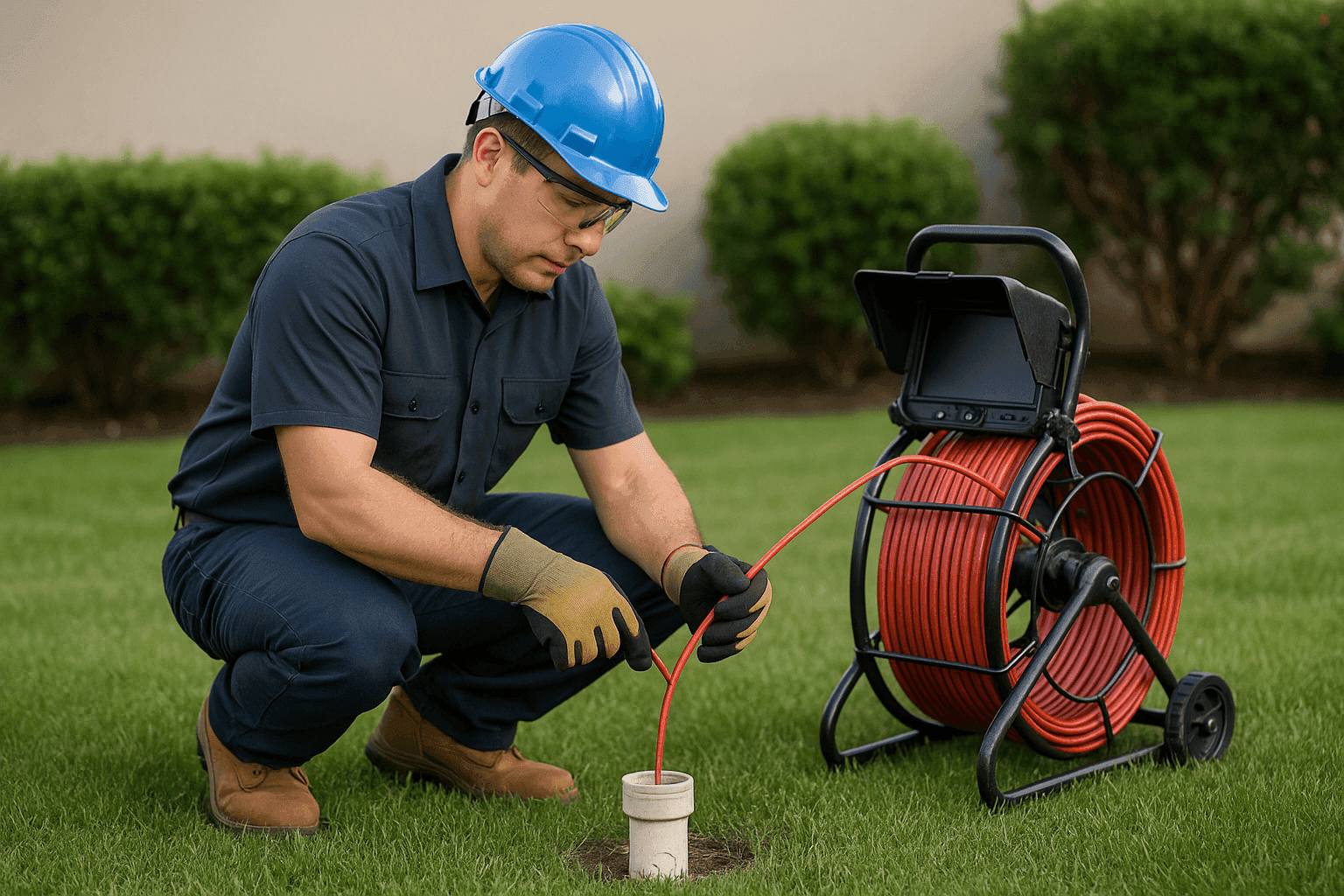
Sewer line inspection isn’t guesswork—it’s a high-tech process. Forget the days of digging up your whole yard just to “have a look.” Today’s plumbers use powerful camera inspection technology, snaking a waterproof camera through your pipes to see everything in real time.
What are we watching for?
- Root Intrusion: Tree roots are relentless. They find even the tiniest cracks, then force their way in, causing blockages and pipe bursts.
- Pipe Breaks or Collapses: Time, shifting soil, or heavy vehicles can cause pipes to break, crack, or collapse.
- Blockages: Grease, wipes, and debris don’t magically disappear. We look for buildup that threatens flow.
- Corrosion and Deterioration: Metal pipes rust. Clay pipes crumble. Cameras spot wear before it’s a crisis.
- Bellies or Sags: Pipes that dip can collect waste, leading to recurring clogs.
A good inspection is like an annual checkup. It reveals the real story under your feet.
Signs You Need an Inspection
Sometimes, your plumbing sends up flares—little warning signs that all is not well below.
- Slow Drains: One slow drain is annoying. Several at once signal deeper trouble.
- Frequent Clogs: Especially if plunging only gives short-term relief.
- Bad Smells: Sewer gas is serious. If your home smells musty or like rotten eggs, act fast.
- Lush Patches of Grass: Greener-than-average spots on your lawn may be a leaking sewer line feeding the roots.
- Gurgling Toilets: Odd bubbling sounds mean trapped air—often from a blockage.
- Water Backups: The nightmare scenario. If water (or worse) comes up instead of down, call for help now.
Don’t ignore these signals. They’re your home’s way of saying, “Check the sewer line—now.”
Camera Inspection Technology: A Closer Look
Sewer line cameras are the plumber’s periscope. Compact, flexible, and packed with lights, these cameras send crystal-clear images straight to a monitor. We can spot hairline cracks, root invasions, and even lost jewelry.
Benefits:
- No guesswork: See the exact problem, fast.
- Pinpoint accuracy: Find the blockage or break within inches.
- Documentation: Video proof for your records or insurance.
Camera inspections aren’t just for emergencies. They’re a routine tool for preventative care.
The Risks of DIY or Neglect
Trying to handle sewer issues yourself? It’s like using duct tape on a broken axle. Here’s what’s at stake:
- DIY Drain Cleaners: Chemicals can corrode pipes, harm the environment, and rarely solve the root problem.
- Home Remedies: Snakes and plungers can push blockages deeper, making things worse.
- Neglect: Small leaks grow into sinkholes. Sewer gas is a health hazard. Ignoring issues can even affect your property value.
When in doubt, let the professionals handle it. They bring the right tools, training, and knowledge of plumbing codes (see the Uniform Plumbing Code).
What Pros Do On Arrival
When you call Plumbing Xpert for a sewer line inspection, here’s what to expect:
- Initial Assessment: We listen to your story. Have you had recent backups or odd smells?
- Visual Check: We examine fixtures, drains, and any accessible pipes.
- Camera Inspection: Our technician inserts the camera into the main line, watching for trouble as it travels.
- Diagnosis: We review the footage with you. See exactly what’s happening underground.
- Next Steps: If repairs are needed, we explain your options—clearly, with no hidden surprises.
Transparency is at the heart of every job. You see what we see.
Preventative Maintenance: Protect Your Pipes
Like brushing your teeth, regular sewer care prevents big headaches. Here’s how to keep your system flowing:
- Don’t Flush Wipes: Even “flushable” wipes can clog pipes.
- Limit Grease: Dispose of fats and oils in the trash, not the drain.
- Plant Trees Carefully: Keep new roots far from sewer lines.
- Schedule Annual Checks: Regular inspections catch problems early.
- Install Backflow Prevention: Stops sewer water from coming back in during heavy rains.
Preventative maintenance isn’t glamorous, but it’s your best defense against emergencies.
Costs & Time Factors
Worried about time or cost? Here’s what to expect:
- Time: Most camera inspections take 1–2 hours, depending on your home’s layout.
- Cost Factors: Prices vary based on length of the line, accessibility, and what we find. If major digging or repairs are required, the cost rises.
- Long-Term Savings: Routine inspections are far cheaper than emergency plumbing or full Sewer Line Repair near you.
Remember, spending a little now can save you thousands later.
When It’s an Emergency 🚨
Some problems can’t wait.
- Sewage Backups: Water (or worse) coming up in sinks, tubs, or toilets.
- Burst Pipes: Sudden flooding indoors or outdoors.
- Strong Sewer Odors: Immediate health concerns—don’t delay.
If you notice any of these, call an emergency plumbing service right away. Don’t risk your health or home.
FAQ: Sewer Line Inspections
How do I know if my sewer line needs inspection?
Look for slow drains, gurgling toilets, bad smells, or frequent clogs. If in doubt, schedule an inspection.
Can tree roots really break sewer pipes?
Absolutely. Roots seek moisture and can slip into even tiny cracks, growing until they block or break the pipe.
Is sewer inspection disruptive?
Not at all. Camera inspections are minimally invasive—no digging required unless repairs are needed.
Are regular inspections required by law?
Some local codes (check with your city or the International Plumbing Code) require inspections before home sales or major renovations.
Local & Seasonal Considerations
- Cold Climates: Freeze-thaw cycles can crack pipes. Inspect before and after winter.
- Rainy Seasons: Heavy rain puts extra pressure on sewer systems. Check lines in spring and fall.
- Mature Neighborhoods: Older areas often have aging pipes—schedule annual checks.
Know your home’s history and your area’s plumbing quirks. It pays off.
Regular sewer line inspections are more than a chore—they’re a shield against costly, messy surprises. Whether you need peace of mind, are buying a new home, or have spotted warning signs, Plumbing Xpert is here to help, day or night.
Call Plumbing Xpert now — or reach us anytime at 877-657-7699 .