Preventing Plumbing Disasters: Essential Tips for Homeowners and Small Businesses
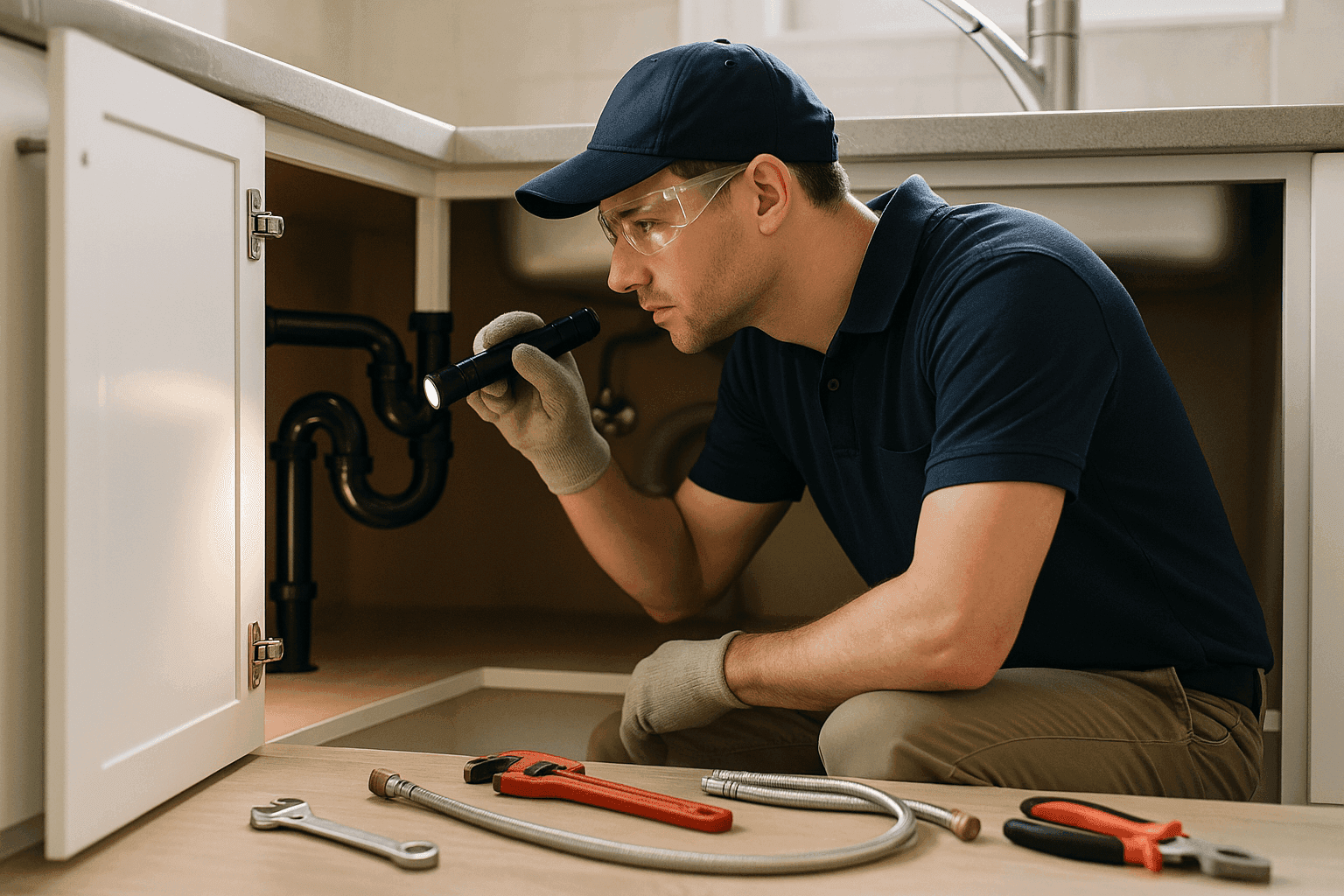
Plumbing disasters rarely give a warning. One day, everything flows. The next, water is gushing where it shouldn’t, or a slow leak has turned your peaceful morning into a scramble. For homeowners and small business owners, plumbing problems can mean lost time, money, and peace of mind.
At Plumbing Xpert, we've seen it all—clogged drains that became floods, unnoticed leaks that damaged walls, and emergency plumbing calls in the dead of night. The good news? Most disasters are preventable with a little know-how and regular care.
Why Prevention Matters for Homes and Businesses 🛑
Think of your plumbing like a silent partner. When it works, you barely notice it. But neglect it, and it can turn against you fast. Water damage can ruin floors, walls, and valuable equipment. Even minor issues—like a dripping faucet or slow drain—can signal bigger trouble ahead.
For small business owners, a plumbing failure can mean closing doors, lost revenue, or even health code violations. For homeowners, it can mean costly repairs and weeks of stress. Prevention isn’t just about saving money. It’s about protecting your property, your safety, and your routine.
Quick Plumbing Safety Checklist
Before you dive into pipes and fixtures, take a moment to check these safety basics:
- Know where your main water shut-off valve is located.
- Teach everyone in your household or staff how to turn off the water in an emergency.
- Keep a flashlight and basic tools handy near your water shut-off.
- Never use electrical appliances near standing water.
- Wear gloves and eye protection when handling chemicals or cleaning drains.
- If you smell gas, leave the building immediately and call emergency services.
A little preparation can mean the difference between a minor inconvenience and a major headache.
Common Plumbing Pitfalls: The Warning Signs
Most plumbing disasters start small. Catching the early signs can save you from big trouble down the road.
Watch for These Red Flags
- Unusual sounds: Gurgling drains, banging pipes, or whistling can all hint at trouble.
- Slow drains: Water pooling in sinks or tubs often means a clog is forming.
- Water stains or damp spots: These can appear on walls, ceilings, or floors—especially near bathrooms and kitchens.
- Musty odors: Persistent smells may signal hidden leaks or mold growth.
- Sudden drop in water pressure: This could indicate a leak or blockage somewhere in your system.
- Higher water bills: Unexplained spikes often point to leaks.
If you notice any of these, act quickly. Early detection is the key to avoiding disaster.
DIY or Call a Pro? Knowing Your Limits
It’s tempting to tackle plumbing problems yourself. Sometimes, that’s the right move. Other times, it’s best to call in the experts.
DIY-Friendly Fixes
- Unclogging a sink or shower drain with a plunger or drain snake.
- Tightening loose faucet handles or showerheads.
- Replacing worn-out washers or O-rings in faucets.
- Cleaning out visible debris from traps under sinks.
Call Plumbing Xpert If…
- You suspect a hidden leak inside walls or under floors.
- Water is backing up from multiple drains at once (could signal a main sewer issue).
- You notice a rotten egg smell (possible gas leak).
- Pipes are frozen, cracked, or burst.
- You need backflow testing or sewer line inspection.
- There’s flooding or standing water you can’t control.
When in doubt, calling a professional can save you time, money, and stress.
What Pros Do On Arrival
When Plumbing Xpert arrives, we don’t just fix the obvious problem. Our technicians follow a proven process:
- Assessment: We inspect the affected area, checking for visible and hidden issues.
- Diagnosis: Using specialized tools, like moisture meters and leak detectors, we pinpoint the problem.
- Containment: We shut off water or gas as needed to prevent further damage.
- Repair: We address the root cause—whether it’s a clogged drain, broken pipe, or faulty fixture.
- Prevention: We offer advice on how to avoid similar issues in the future, based on your unique property.
Our approach follows industry best practices, including guidelines from the International Plumbing Code (IPC) and Occupational Safety and Health Administration (OSHA) for safety and quality.
Prevention & Maintenance: Your Best Defense
An ounce of prevention is worth a pound of cure—especially with plumbing. Here’s how to keep your system healthy year-round.
Seasonal Plumbing Maintenance Tips
Spring
- Check for pipe damage after winter freezes.
- Test sump pumps before rainy season.
- Inspect outdoor faucets and hoses for leaks.
Summer
- Clear debris from gutters and downspouts.
- Check for slow drains (summer gatherings can strain your system).
- Inspect washing machine hoses for cracks or bulges.
Fall
- Insulate exposed pipes to prevent freezing.
- Flush water heaters to remove sediment.
- Schedule a sewer line inspection before roots invade.
Winter
- Keep cabinet doors open under sinks to allow warm air around pipes.
- Let faucets drip during deep freezes to prevent bursts.
- Know how to shut off water quickly in case of a pipe break.
Regular Inspections That Matter
- Backflow testing: Prevents contaminated water from entering your clean supply. Many local codes require annual testing for businesses.
- Sewer line inspection: Using cameras, professionals can spot blockages or cracks before they become emergencies.
- Water pressure checks: High pressure can damage pipes and fixtures.
- Leak detection: Early detection saves money and prevents mold.
Simple Habits for Lasting Plumbing Health
- Don’t pour grease, coffee grounds, or food scraps down the drain.
- Use drain screens to catch hair and debris.
- Only flush toilet paper—never wipes, feminine products, or paper towels.
- Run cold water when using the garbage disposal.
- Fix small leaks right away to prevent bigger problems.
Costs & Time Factors: What to Expect
Plumbing repairs can range from a quick fix to a major job. Here’s what affects cost and timing:
- Severity: A simple clog might take 30 minutes, while a burst pipe could require hours or even days.
- Location: Hidden leaks behind walls or under slabs take longer to find and fix.
- Parts: Specialty fixtures or older systems may require ordering parts.
- After-hours: Emergency plumbing calls at night or on weekends may cost more.
Routine maintenance is almost always less expensive than emergency repairs. The peace of mind is priceless.
When It’s an Emergency: Act Fast
Some plumbing issues just can’t wait. If you’re facing any of these, treat it as an emergency:
- Water spraying or flooding from pipes or fixtures.
- Sewage backing up into sinks, tubs, or toilets.
- Gas smell or hissing sound near gas lines.
- No hot water in freezing weather (risk of pipe bursts).
- Sump pump failure during heavy rain.
First, shut off the main water (or gas) supply. Move valuables out of harm’s way. Then, call Plumbing Xpert immediately. Quick action can limit damage and speed recovery.
Plumbing FAQ: What Homeowners & Small Businesses Ask
How often should I have my plumbing inspected?
For most properties, an annual inspection is recommended. Businesses with high plumbing use or older systems may need more frequent checks.
What’s the biggest cause of plumbing emergencies?
Neglected leaks and clogs top the list. Small problems that go unchecked can quickly spiral into large, expensive disasters.
Can I use chemical drain cleaners?
Use with caution. Many over-the-counter cleaners can damage pipes, especially older or PVC systems. Mechanical methods (like plungers or snakes) are safer. When in doubt, call a professional.
What’s backflow and why does it matter?
Backflow is when dirty water flows backward into your clean supply—often due to a sudden drop in water pressure. It can pose serious health risks. Regular backflow testing is crucial, especially for businesses.
Special Considerations for Business Owners
Plumbing issues in a business can mean more than inconvenience—they can affect your reputation and bottom line. Consider:
- Regular preventative maintenance to avoid downtime.
- Keeping a log of plumbing issues and repairs.
- Training staff on emergency shut-off procedures.
- Scheduling after-hours repairs to minimize disruption.
For both homes and businesses, a proactive approach keeps plumbing disasters at bay.
Plumbing problems don’t have to catch you off guard. With regular maintenance, early detection, and a reliable emergency plumbing partner, you can keep your property safe and dry.
Call Plumbing Xpert now — or reach us anytime at 877-657-7699 .