Pipe Repair vs. Repiping: How to Know What Your Home Needs
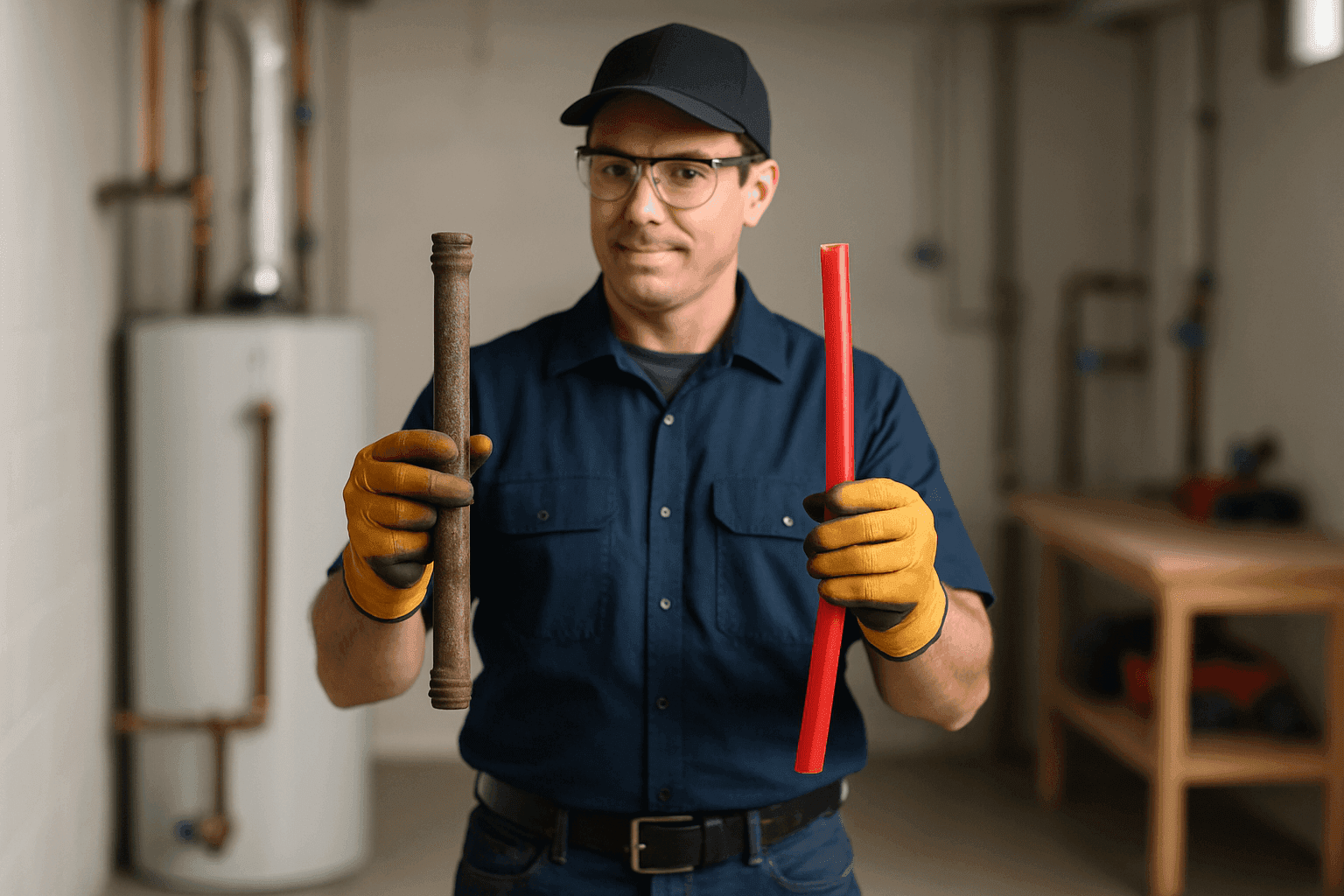
Is your kitchen faucet starting to sputter? Maybe you’ve noticed suspicious puddles under the bathroom sink. Or, worse, you wake up to a water-stained ceiling. Pipe problems rarely wait for a convenient time. That’s when decisions get tough—should you patch things up, or is it time to start fresh with new pipes?
At Plumbing Xpert, we know every home’s plumbing tells a story. Sometimes it’s a quick fix. Other times, it’s a sign of something bigger. Let’s break down the difference between pipe repair and repiping, so you can make the best choice for your home and family.
Signs Your Pipes Need Attention 🚨
Water pipes are like the veins of your home. When they’re healthy, water flows clear and steady. When something’s wrong? The signs are hard to miss. Watch for these red flags:
- Frequent leaks: More than one leak in a year means trouble. Small drips lead to big headaches.
- Discolored water: Brown, yellow, or red water often points to rust or corrosion inside pipes.
- Low water pressure: If your shower feels weak, sediment or buildup might be choking the lines.
- Strange noises: Banging, rattling, or whistling pipes can signal loose fittings or water hammer.
- Visible corrosion: Green or white crust on exposed pipes means moisture is eating away at metal.
- Odd smells: Musty or metallic odors could mean bacteria or rust is lurking in old pipes.
These symptoms can start small but grow quickly. Don’t ignore them—what seems minor today might turn into an emergency plumbing situation tomorrow.
Temporary Repairs vs. Repiping
When a pipe acts up, you’ve got options. Not every problem needs a total overhaul.
Patching and Sectional Replacement
Think of patching like putting a bandage on a scrape. It’s fast and stops the bleeding, but it doesn’t heal the underlying issue.
- Pipe clamps and epoxy: Great for small leaks or pinhole cracks.
- Sectional replacement: Swapping out a short stretch of pipe if only one area is affected.
These fixes work best when:
- The rest of your pipes are in good shape.
- Issues are isolated (one leak, not a pattern).
- You’re dealing with newer piping materials.
Whole-House Repiping
Repiping is more like a heart transplant for your home. All the old “plumbing veins” come out, and new ones go in. Consider repiping when:
- Leaks keep coming back.
- Pipes are decades old (see below for lifespans).
- Water quality is poor throughout the house.
- Multiple repairs have failed.
- You’re renovating or adding new fixtures.
If repairs are frequent, the cost and stress add up. That’s when repiping becomes the smarter, safer option.
Pipe Materials and Lifespans
Not all pipes are created equal. Their material—and their age—matters.
- Galvanized steel: 40–60 years. Prone to rust and clogs as they age.
- Copper: 50+ years. Durable, but can develop pinhole leaks if water is acidic.
- PVC/CPVC: 40–50 years. Doesn’t rust, but can crack if exposed to freezing or sunlight.
- PEX: 40+ years. Flexible, freeze-resistant, and popular in modern homes.
- Cast iron (drain lines): 75–100 years. Sturdy, but can rust from the inside out.
Check your home’s records or look at exposed pipes in basements or utility rooms. If your plumbing is nearing the end of its expected life, it’s smart to plan ahead.
Cost Comparison: Repair vs. Repiping 💡
Money matters. But so does peace of mind.
Pipe Repair Costs
- Patching or small sections: Typically the least expensive—think hundreds, not thousands.
- Labor: Quick repairs usually take a few hours.
Best for:
- Isolated issues
- Newer systems
Repiping Costs
- Whole-house repiping: A larger investment—expect several thousand dollars depending on home size and materials.
- Disruption: Takes a few days, sometimes up to a week, but water is usually shut off only during working hours.
Long-term savings: With new pipes, you avoid the “drip, fix, repeat” cycle. You get better water quality and fewer emergencies. Over time, constant repairs can cost more than doing the job right once.
Tip: Always check local plumbing codes and permits. The International Residential Code (IRC) and Uniform Plumbing Code (UPC) set the standards for safe installations.
When Repairs Are No Longer Cost-Effective
A good rule of thumb: If you’ve had three or more leaks in a year, or if your pipes are past their prime, it’s time to talk about repiping.
Repairs are like patching an old tire. Sooner or later, the rubber gives out. At some point, patch after patch stops making sense—especially if water damage threatens your home’s structure.
Practical Tips for Homeowners
- Keep an eye on water bills. Sudden spikes mean hidden leaks.
- Inspect exposed pipes each season. Look for moisture, rust, or mineral buildup.
- Flush your water heater annually. This keeps sediment from clogging your pipes.
- Know your shut-off valve location. In an emergency, seconds matter.
Frequently Asked Questions
How do I know if I need emergency plumbing help?
If water is gushing, flooding, or threatening electrical outlets—call for emergency plumbing right away. Quick action prevents bigger damage.
Can I repair pipes myself?
Small patches (like tightening fittings or using plumber’s tape) are possible for handy homeowners. But anything involving cutting, soldering, or pressurized lines should be left to professionals.
Will repiping damage my walls?
Some drywall cutting is usually needed to reach pipes, but experienced plumbers keep this minimal. Your home is left neat, and repairs are included in the process.
What’s the safest pipe material for my home?
PEX and copper are both reliable choices. Each has pros and cons. PEX is flexible and less likely to burst in cold weather. Copper is durable and time-tested.
Local and Seasonal Considerations
Cold winters? Older pipes are at higher risk for freezing and bursting. Live in a historic neighborhood? Your home may have pipes long past their lifespan. Homes built before the 1970s often used galvanized steel, which corrodes from the inside out.
If you’re worried about water quality, consider adding a water filtration system as part of your upgrade. Regular backflow testing is also smart for safety.
Ready to Decide? We’re Here 24/7
Pipe problems rarely solve themselves. Sometimes a quick fix is enough. Other times, a fresh start is the answer. If you’re unsure—or if you need emergency plumbing for Sewer Line Repair near you—let Plumbing Xpert help.
Call Plumbing Xpert now — or reach us anytime at 877-657-7699 .