How to Maintain Your Home Plumbing System Year-Round
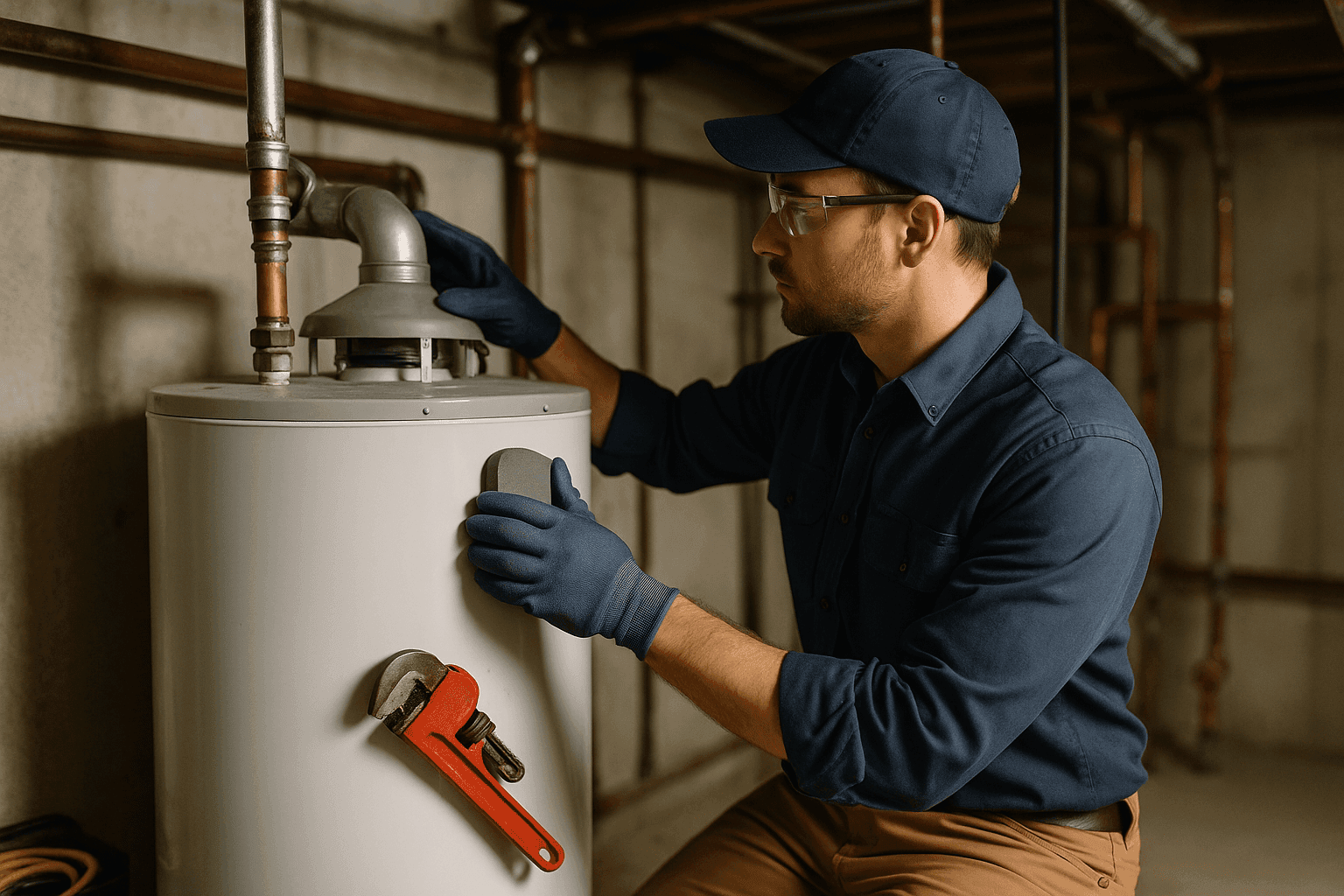
Is your plumbing system quietly working behind the scenes—or ticking like a hidden clock, just waiting to cause chaos? Most pipes, drains, and fixtures don’t ask for attention until something goes wrong. But a little year-round care can keep your home or small business flowing smoothly and help you dodge those costly, stressful emergencies.
At Plumbing Xpert, we’ve seen it all—from tiny drips that become floods to mystery clogs that shut down kitchens. Here’s a practical guide to keeping your plumbing in shape, season after season.
Why Year-Round Plumbing Maintenance Matters 🛠️
Think of your plumbing like the veins and arteries of your building. When they’re healthy, everything works without a second thought. But ignore them, and trouble can build up quietly—leaks, clogs, corrosion, and frozen pipes are just the beginning.
Regular maintenance means:
- Fewer emergencies and urgent repairs
- Lower risk of water damage or mold
- Better water pressure and efficiency
- Longer lifespan for pipes, heaters, and fixtures
According to the International Association of Certified Home Inspectors (InterNACHI), routine checks can prevent up to 80% of common plumbing failures. That’s peace of mind you can’t put a price on.
Seasonal Plumbing Tasks: Spring, Summer, Fall, and Winter
Each season brings its own plumbing challenges. Here’s what to look for as the year rolls by.
Spring
- Check for leaks: Winter can be rough on pipes. Inspect under sinks, around toilets, and in the basement for drips or puddles.
- Test sump pumps: Heavy spring rains mean your sump pump needs to be ready. Pour a bucket of water in the pit—does it kick on?
- Clear gutters and downspouts: Prevent water from backing up and seeping into your foundation.
Summer
- Inspect outdoor faucets and hoses: Look for splits or leaks. Replace worn washers.
- Clean drains: Summer guests and cookouts mean more kitchen and bathroom use. Use a safe drain cleaner or a simple mix of baking soda and vinegar.
- Check water heater temperature: Keep it set between 120–130°F to save energy and prevent scalding.
Fall
- Flush water heater: Sediment builds up over time, reducing efficiency. Drain a few gallons to clear it out.
- Insulate exposed pipes: Use foam sleeves or wrap to protect pipes in garages, basements, or crawl spaces.
- Test shut-off valves: Make sure you can turn off water quickly in an emergency.
Winter
- Let faucets drip on freezing nights: Keeps water moving and helps prevent frozen pipes.
- Seal gaps and cracks: Cold air sneaks in and freezes pipes. Use caulk or expanding foam around holes.
- Monitor for ice dams: If you notice water stains on ceilings, check for ice buildup on the roof.
Key Areas to Inspect: Pipes, Water Heaters, Fixtures
Not sure where to start? Focus on these high-impact areas:
Pipes
- Look for signs of corrosion—green stains, rust, or mineral buildup.
- Feel along exposed pipes for dampness or cold spots.
- Listen for banging, clanking, or whistling sounds when water runs.
Water Heaters
- Check for puddles or rust at the base.
- Listen for popping or rumbling noises—these may signal sediment.
- Test the pressure relief valve annually (see manufacturer’s instructions).
Fixtures
- Tighten loose faucets and handles.
- Replace washers or cartridges if you notice drips.
- Inspect toilets for running water or slow refills.
Quick Safety Checklist
Before you tackle any plumbing maintenance, run through this list:
- Turn off water at the main shut-off valve if making repairs.
- Unplug electrical appliances near water (especially around water heaters and sump pumps).
- Wear gloves and eye protection when using drain cleaners or chemicals.
- Never mix cleaning products—dangerous fumes can result.
- Keep a mop and bucket handy for spills.
If you’re ever unsure, it’s safer to call Plumbing Xpert than to risk injury or damage.
Leak Detection and Drain Cleaning: Practical Tips
Small leaks can do big damage over time. Here’s how to spot trouble early:
- Check your water meter: Turn off all water indoors and outdoors. If the meter keeps spinning, you’ve got a hidden leak.
- Look for mold or musty smells: These often signal slow leaks behind walls or under floors.
- Use food coloring in toilet tanks: Add a few drops—if color appears in the bowl without flushing, you’ve found a leak.
For drains:
- Avoid pouring grease or coffee grounds down the sink.
- Use drain screens to catch hair and debris.
- Flush drains monthly with hot water, followed by baking soda and vinegar.
Water Heater Upkeep: Stay Warm, Stay Safe
Water heaters work hard year-round. Give yours a little attention:
- Drain a few gallons every six months to clear sediment.
- Check the temperature setting (120–130°F is best).
- Inspect the pressure relief valve for leaks or drips.
- Listen for odd noises—these can mean it’s time for a professional check.
The U.S. Department of Energy recommends regular maintenance to improve efficiency and extend the life of your water heater.
Preventative Measures Against Freezing or Corrosion
Frozen pipes are like ticking time bombs. Here’s how to defuse them:
- Insulate pipes in unheated areas with foam or fiberglass sleeves.
- Keep cabinet doors open on cold nights to let warm air reach pipes.
- Disconnect garden hoses and drain outdoor faucets before winter.
For corrosion:
- Use water softeners if your water is hard.
- Replace old galvanized pipes with copper or PEX when possible.
- Schedule annual inspections—corrosion often hides inside walls.
When to Call a Professional
Some problems need a skilled hand. Call Plumbing Xpert if you notice:
- Sudden drops in water pressure
- Water stains on ceilings or walls
- Persistent drain clogs or sewer odors
- No hot water or strange noises from your water heater
- Gas smells or suspected leaks (leave the building and call emergency services first)
Emergencies rarely wait for business hours. That’s why we offer 24/7 emergency plumbing services—so help is always just a call away.
DIY vs. Professional Plumbing Maintenance
You can handle plenty of small tasks yourself—like tightening fittings, cleaning aerators, or flushing your water heater. But some jobs require training, tools, and knowledge of plumbing codes.
DIY is great for:
- Clearing minor clogs with a plunger or hand auger
- Replacing faucet washers or showerheads
- Checking for visible leaks
Call a pro for:
- Major leaks or burst pipes
- Sewer line blockages
- Gas line issues
- Water heater repairs or installations
- Backflow testing and prevention
Attempting complex repairs without the right experience can make the problem worse—or even cause injury. When in doubt, reach out to Plumbing Xpert.
What Pros Do On Arrival
When you call for emergency plumbing help, here’s what happens next:
- Assessment: We quickly identify the source of the problem—using tools like moisture meters, thermal cameras, or video pipe inspection.
- Containment: We shut off water and prevent further damage.
- Repair: We fix the issue—whether it’s a burst pipe, clogged drain, or faulty fixture.
- Testing: We check for leaks, pressure, and proper flow before leaving.
- Advice: We share tips to prevent future problems and recommend follow-up maintenance if needed.
Our team follows national plumbing codes and safety guidelines, so you get repairs that last.
Prevention & Maintenance: Building Good Habits
A little routine care goes a long way. Here’s how to make plumbing maintenance part of your schedule:
- Mark your calendar for seasonal checks—spring, summer, fall, and winter.
- Keep a maintenance log with dates and notes.
- Teach everyone in your home or business how to shut off the main water valve.
- Schedule annual inspections with Plumbing Xpert for peace of mind.
Costs & Time Factors
Plumbing maintenance doesn’t have to break the bank. Here’s what to expect:
- DIY tasks (like checking for leaks or cleaning drains) take 10–30 minutes and cost next to nothing.
- Professional inspections or minor repairs usually take 1–2 hours.
- Emergency repairs may take longer, especially for major leaks or sewer line issues.
Preventative care is always cheaper than emergency plumbing repairs. A burst pipe or water heater failure can lead to thousands in damage and days of disruption.
When It’s an Emergency
How do you know when to pick up the phone—day or night?
- Flooding: Water pouring into your home or business is always an emergency.
- Sewage backup: Bad smells, slow drains, and standing water in tubs or sinks mean trouble below the surface.
- No water: If all taps run dry, it’s time to call for help.
- Gas leaks: If you smell gas, leave immediately and call emergency services.
Don’t wait—fast action can limit damage and protect your property.
FAQ: Common Plumbing Maintenance Questions
How often should I check for leaks?
Check visible pipes, fixtures, and appliances every few months. Listen for running toilets and dripping faucets weekly.
What are the signs of a hidden leak?
Unexplained spikes in your water bill, moldy smells, or damp spots on walls and floors are red flags.
Can I pour chemical drain cleaners down my pipes?
Use caution—harsh chemicals can damage pipes and aren’t always effective. Try natural cleaners or call Plumbing Xpert for stubborn clogs.
How do I know if my water heater needs replacing?
If it’s over 10 years old, makes loud noises, or doesn’t provide enough hot water, it may be time for a new one.
Special Considerations for Home and Small Business Plumbing
Every building is unique. Older homes may have aging pipes or outdated fixtures. Small businesses often face heavier use—think busy kitchens or public restrooms.
- Schedule maintenance more often if you have high traffic.
- Upgrade old pipes and fixtures as part of renovations.
- Install water filtration or backflow prevention for added safety.
Always follow manufacturer guidelines and local plumbing codes for repairs and installations.
Call Plumbing Xpert now — or reach us anytime at 877-657-7699 .