How to Unclog a Toilet Safely: Step-by-Step Methods That Work
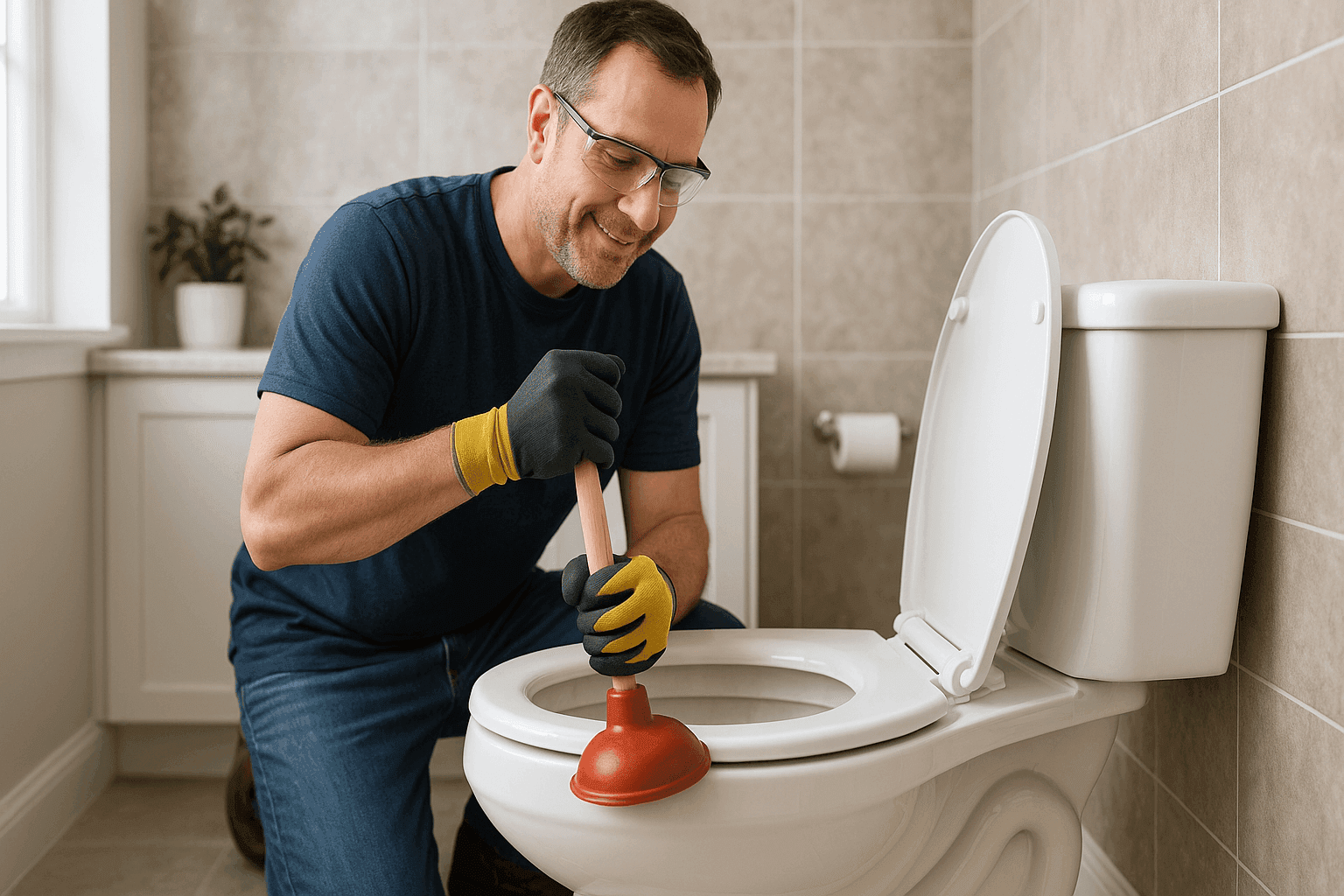
Everyone’s been there. You flush the toilet and, instead of the familiar whoosh, the water creeps up. Your heart skips. Panic bubbles up. But clogged toilets don’t have to ruin your day—or your bathroom.
At Plumbing Xpert, we know how stressful plumbing problems can be. From pipe repair to sewer line repair near you, our team has seen every type of blockage. The good news? Most toilet clogs can be tackled safely at home if you follow the right steps.
Causes of Toilet Clogs 🚽
Let’s start at the source. Clogged toilets don’t happen by magic. Something’s blocking the way.
- Too much toilet paper: Toilet paper is designed to break down, but large wads can lump together and create a stubborn blockage.
- Non-flushable items: Wipes, cotton balls, dental floss, and hygiene products don’t dissolve. They’re like boulders in a stream.
- Hard water buildup: Over time, minerals in hard water can narrow pipes, making blockages more likely.
- Children’s toys and other objects: Curious hands sometimes send the unflushable on a watery journey.
- Aging plumbing: Old or corroded pipes are more likely to snag passing debris.
Pro tip: Only flush human waste and toilet paper. The toilet isn’t a trash can. The U.S. Environmental Protection Agency (EPA) warns against flushing wipes—even those labeled “flushable”—as they contribute to costly sewer line repairs.
Essential Tools for Unclogging
Before you roll up your sleeves, gather these essentials:
- Plunger (flange or bell-shaped): Creates a seal for maximum force.
- Toilet auger (closet auger): A flexible, crank-operated tool that snakes through tough blockages.
- Rubber gloves: Because, well, you know.
- Bucket and old towels: For water that may splash or overflow.
- Disinfectant cleaner: For the cleanup after the job is done.
Avoid: Harsh chemical drain cleaners. They can corrode pipes, damage septic systems, and pose safety risks. The National Association of Home Builders recommends mechanical methods over chemicals.
Step-by-Step Unclogging Methods
Tackling a clog doesn’t need to be dramatic. Here’s how to do it safely and effectively.
1. Assess the Situation
First, check the water level. If the bowl is already full, don’t flush again. Instead, turn off the water supply at the base of the toilet to prevent overflow.
2. Plunger Technique
- Submerge the plunger: Make sure there’s enough water in the bowl to cover the rubber end. No water? Add some with a bucket.
- Position the plunger: Place it over the drain hole, creating a tight seal.
- Push and pull: Use firm, even strokes. Don’t just jab—think of it as a slow, steady heartbeat. Do this 10–15 times.
- Lift and check: Remove the plunger. If water drains, you’ve likely cleared the clog. If not, try again.
3. Auger (Plumbing Snake) Technique
Still blocked? The auger is your next ally.
- Insert the auger: Slowly feed the cable into the drain until you hit resistance.
- Crank gently: Turn the handle to break up the blockage or hook it for removal.
- Retrieve and flush: Pull out the auger and try flushing. If clear, mission accomplished.
Never force the auger or use excessive strength—it can scratch porcelain or damage pipes.
4. Clean Up
Wipe up any spills and sanitize the area. Wash your hands thoroughly.
What Not to Do
- Don’t use boiling water—extreme heat can crack porcelain.
- Don’t mix chemical cleaners—dangerous fumes can result.
- Don’t keep flushing—overflow is messy and can worsen the problem.
When to Call a Plumber
Sometimes, unclogging is like moving a stubborn boulder with a twig. If you’ve tried plunging and snaking with no luck, it’s time to bring in emergency plumbing help.
Call if:
- Water is backing up into sinks or tubs—could signal a main sewer line problem.
- There’s a strong sewage odor.
- The toilet overflows repeatedly.
- You hear gurgling noises from other drains.
Professional plumbers bring specialized tools, experience, and a knack for finding hidden causes. We check for deeper issues—like tree roots in pipes, collapsed lines, or recurring blockages that need Sewer Line Repair near you.
Preventing Future Blockages 🛡️
An ounce of prevention is worth a pound of plunging. Here’s how to keep things flowing:
- Only flush toilet paper and waste.
- Keep a wastebasket in the bathroom for wipes and hygiene items.
- Teach children what shouldn’t go in the toilet.
- Schedule regular drain cleaning and sewer line inspections.
- Install water softeners if mineral buildup is a recurring problem.
- Address slow drains early—don’t wait for a full blockage.
Safe Practices & Warnings
- Always wear gloves when unclogging a toilet.
- Use only tools made for toilets—kitchen or garden tools can damage porcelain.
- If you use chemical cleaners despite warnings, ventilate the room well and follow label instructions.
- Never combine chemical products.
For more on plumbing safety, consult resources from the Occupational Safety and Health Administration (OSHA) and the International Association of Plumbing and Mechanical Officials (IAPMO).
How Pros Handle the Job
When you call a plumber, here’s what happens:
- Inspection: We assess the blockage and check for wider plumbing issues, like pipe damage or sewer backups.
- Professional tools: High-powered augers, water jetting, and camera inspections reveal what’s happening below the surface.
- Repairs: If there’s pipe damage, leaks, or tree root intrusion, we offer solutions like pipe repair, repiping, or sewer line repair.
Cost & Time Factors
Every clog is different. Simple plunging? Minutes. Deep-rooted blockages? Longer. Costs depend on severity, access, and if emergency plumbing is required.
- DIY methods: Usually free, just your time and effort.
- Professional visit: Ranges from quick fixes to extensive repairs (like Sewer Line Installation or Pipe Repair).
- Prevention: Regular maintenance and inspections can save money and stress down the line.
When It’s an Emergency
If water is spilling onto the floor or other fixtures are backing up, it’s time to act fast. Overflow can cause water damage, mold, and health hazards. Shut off the water supply and call for emergency plumbing help right away.
Frequently Asked Questions
How do I know if a clog is in the toilet or the main sewer line?
If multiple fixtures (toilets, sinks, tubs) are affected, it could be the main line. One toilet only? Likely a local clog.
Is it safe to use chemical drain cleaners?
Most pros recommend against it. Chemicals can damage pipes and harm the environment. Use plungers and augers instead.
What if plunging doesn’t work?
Try a toilet auger. If that fails, call a plumber—there could be a deeper issue.
How can I prevent recurring clogs?
Flush only waste and toilet paper, avoid wipes, and schedule regular maintenance.
Seasonal and Local Considerations 🌦️
Cold weather can mean frozen pipes and slow drains. In older homes, shifting ground or tree roots may cause more frequent clogs. High water tables in spring can overwhelm sump pumps and cause backflow. If your area is prone to hard water or aging pipes, consider water filtration systems and regular sewer line inspections.
If a stubborn clog is ruining your day, don’t wait for it to become a disaster. Call Plumbing Xpert now — or reach us anytime at 877-657-7699 .