Gas Line Safety Checks: Protecting Your Family and Home
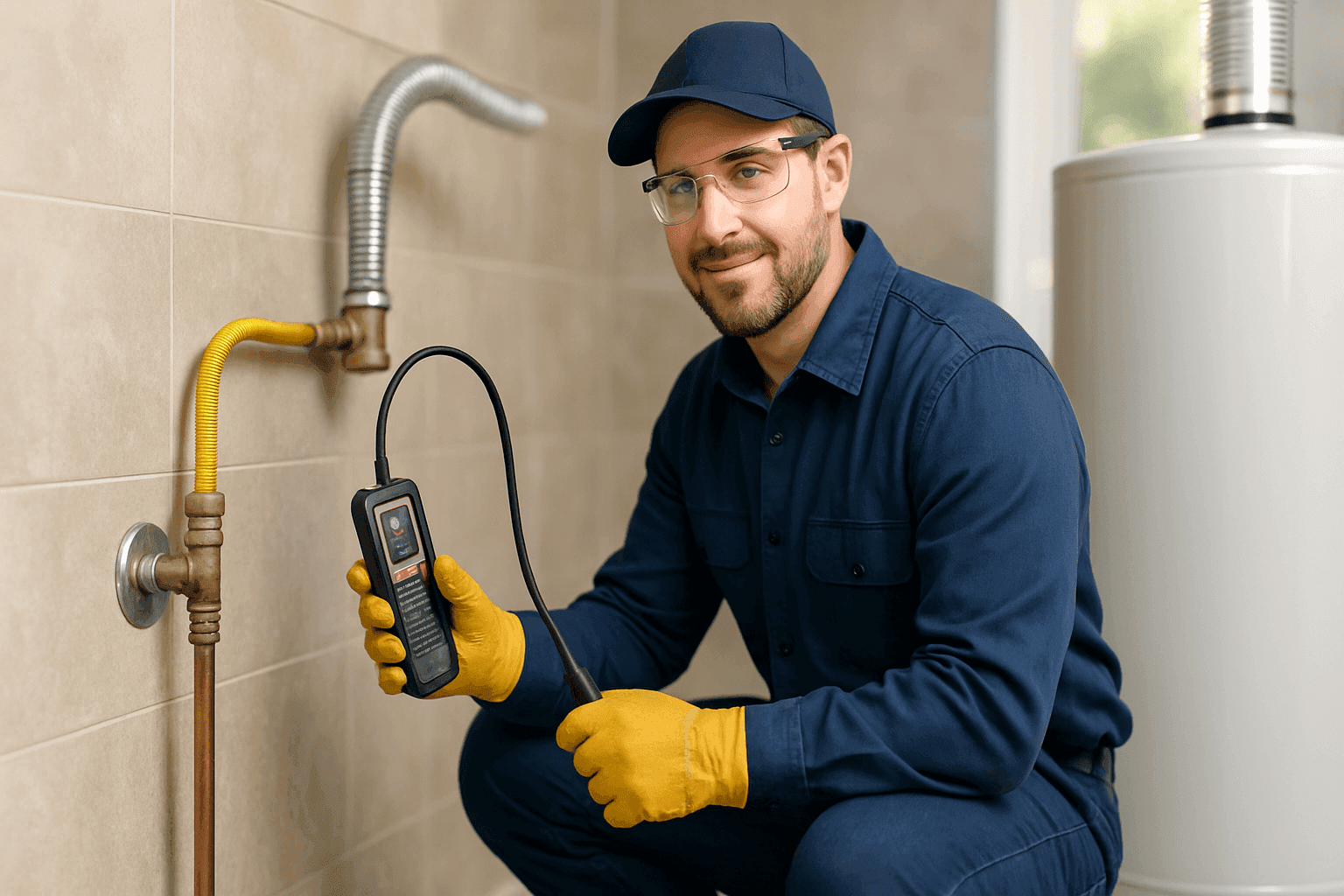
Accidents don’t knock before they enter. Imagine sitting in your living room, the smell of dinner in the air—then suddenly, a faint odor you can’t quite place. Gas leaks can be silent, invisible, and dangerously fast.
At Plumbing Xpert, we know that protecting your family starts with what you can’t always see. Gas line safety checks are one of the most important steps you can take to keep your loved ones and your home safe from harm.
Why Gas Safety Matters 🛑
Gas powers so much in our homes—stoves, water heaters, boilers. It’s like the heartbeat of your household. But just like the heart, when something’s wrong, the risk is real. Gas leaks can cause fires, explosions, and carbon monoxide poisoning. According to the U.S. Consumer Product Safety Commission, gas accidents send thousands to the ER every year.
There’s no room for “maybe it’s fine.” A cracked pipe or loose connection might seem harmless but can put your entire household at risk. If you ever wondered why emergency plumbing services exist, this is a big reason.
Signs of a Gas Leak
Gas leaks aren’t always obvious. Sometimes they whisper, not shout. Knowing the signs can help protect your family:
- Rotten egg smell: Utility companies add mercaptan to natural gas to make leaks easier to detect. If you smell sulfur, don’t ignore it.
- Hissing or blowing sounds: Even tiny leaks can make noise near pipes or appliances.
- Dead or discolored vegetation: A patch of dying grass above a buried gas line can be a red flag.
- Feeling dizzy, nauseous, or lightheaded: Gas leaks can cause physical symptoms similar to the flu.
- Visible damage to gas lines or appliances: Rust, corrosion, or wear around connections are warning signs.
If you suspect a leak, treat it like a fire alarm. Act fast.
Safety Steps in an Emergency
A gas leak is no time for hesitation. Here’s what you should do:
- Do not use electronics: Even flipping a light switch can spark an explosion.
- Evacuate everyone: Get family and pets outside immediately.
- Shut off the main gas valve: Only if it’s safe and you know where it is.
- Call emergency services: Dial 911 or your gas provider from a neighbor’s phone.
- Avoid open flames: Skip candles, matches, or lighters.
It’s better to overreact than underreact. Emergency plumbing and fire professionals are trained for these moments.
How Pros Inspect Gas Lines
When Plumbing Xpert arrives, we treat your home like our own. Here’s how a professional gas line safety check works:
Step 1: Visual Inspection
We start by looking for obvious issues—corroded pipes, loose fittings, and appliance connections. Think of it as giving your home a “check-up.”
Step 2: Pressure Testing
Using industry-standard tools, we test your system’s pressure to find leaks invisible to the eye. This is like checking your bike tire for slow leaks—you might not see a flat, but you’ll know if there’s a problem.
Step 3: Appliance Check
Every connection is inspected. We check stoves, water heaters, boilers, and more. Even a tiny gap can spell trouble.
Step 4: Code Compliance
Local and national codes (like the National Fuel Gas Code, NFPA 54) require specific safety standards. We make sure your system meets them, because shortcuts aren’t safe.
Quick Safety Checklist
Want a fast way to spot trouble? Here’s a simple checklist:
- Check for gas odors after storms or renovations
- Inspect appliance hoses for cracks or wear
- Make sure your gas shutoff valve is easy to access
- Keep combustible materials away from gas appliances
- Test your carbon monoxide detectors every month
A few minutes each season can save lives.
DIY vs. Call a Pro
Some things are best left to the pros. Gas lines are one of them. While you can monitor for signs of trouble, repairing or installing gas pipes should never be a DIY project.
Why? Because the risks are sky-high. Even a minor mistake can lead to a major emergency. Licensed plumbers like those at Plumbing Xpert have the training and tools to handle repairs safely and in line with code requirements.
That said, you can:
- Keep the area around appliances clear
- Learn where your main gas valve is (and how to turn it off)
- Schedule regular inspections
Leave the wrenches and pipe dope to professionals.
What Pros Do On Arrival
Ever wonder what happens when you call for emergency plumbing help? Here’s what to expect when a pro shows up:
- Immediate safety assessment: We check inside and outside for gas buildup.
- System shutoff: If needed, we’ll turn off the main valve.
- Leak detection: Using sensitive equipment, we pinpoint the leak source.
- Repair or replace: Damaged pipes, connectors, or appliances are fixed or swapped out.
- Testing: We re-pressurize and test the entire system before leaving.
- Documentation: You’ll receive a written report for your records.
Every step is about safety—yours and ours.
Prevention & Maintenance
A little prevention can go a long way. Here’s how to keep your home safe year-round:
- Regular inspections: Schedule annual gas line checks with a licensed plumber.
- Upgrade aging pipes: Old, corroded pipes are more likely to fail. Consider repiping if your system is over 20 years old.
- Keep vents clear: Blocked vents can cause dangerous gas buildup.
- Install carbon monoxide alarms: Place them near sleeping areas and gas appliances.
- Stay informed: Know the location of your main gas shutoff and teach all family members.
The National Fire Protection Association (NFPA) recommends professional inspections at least once a year.
Costs & Time Factors
Safety doesn’t have to break the bank. Here’s what to expect:
- Inspection time: Most gas line safety checks take 1–2 hours for an average home.
- Repair time: Minor fixes can be done same-day; bigger jobs (like repiping) may take longer.
- Cost factors: Complexity, materials, and location all play a role. Emergency plumbing calls after hours may cost more. Price is often less than the cost of an emergency or property damage.
Remember, investing in regular checks can help avoid the far greater expense of repairs after an incident.
When It’s an Emergency
Not every issue is urgent, but gas leaks always are. If you smell gas, hear hissing, or feel unwell near gas appliances, act immediately:
- Leave the house.
- Call emergency services or your gas utility.
- Don’t re-enter until it’s declared safe.
Plumbing Xpert is available for emergency plumbing 24/7. Your family’s safety is always our priority.
FAQ: Gas Line Safety
How often should I have my gas lines inspected?
Most experts recommend every year, or after any major home renovation.
Is a faint gas smell always an emergency?
Any gas odor should be taken seriously. It’s best to evacuate and call a professional.
Can I check for leaks myself?
You can look and listen for signs, but only a licensed plumber should test or repair gas lines.
What codes do you follow?
We comply with the National Fuel Gas Code (NFPA 54) and all local building codes.
Local and Seasonal Considerations 🌦️
Weather and location matter. In colder months, frozen ground can stress buried pipes. After heavy storms, shifting soil can cause leaks. If you live in an older home, your gas lines may be more at risk due to age and outdated materials.
No matter where you live, regular checks and quick responses are your best defense. Don’t let the seasons catch you off guard.
Your family’s safety is worth every precaution. If you suspect a problem or just want peace of mind, Plumbing Xpert is ready to help—day or night.
Call Plumbing Xpert now — or reach us anytime at 877-657-7699 .