Garbage Disposal Repair: DIY Troubleshooting and Safety Tips
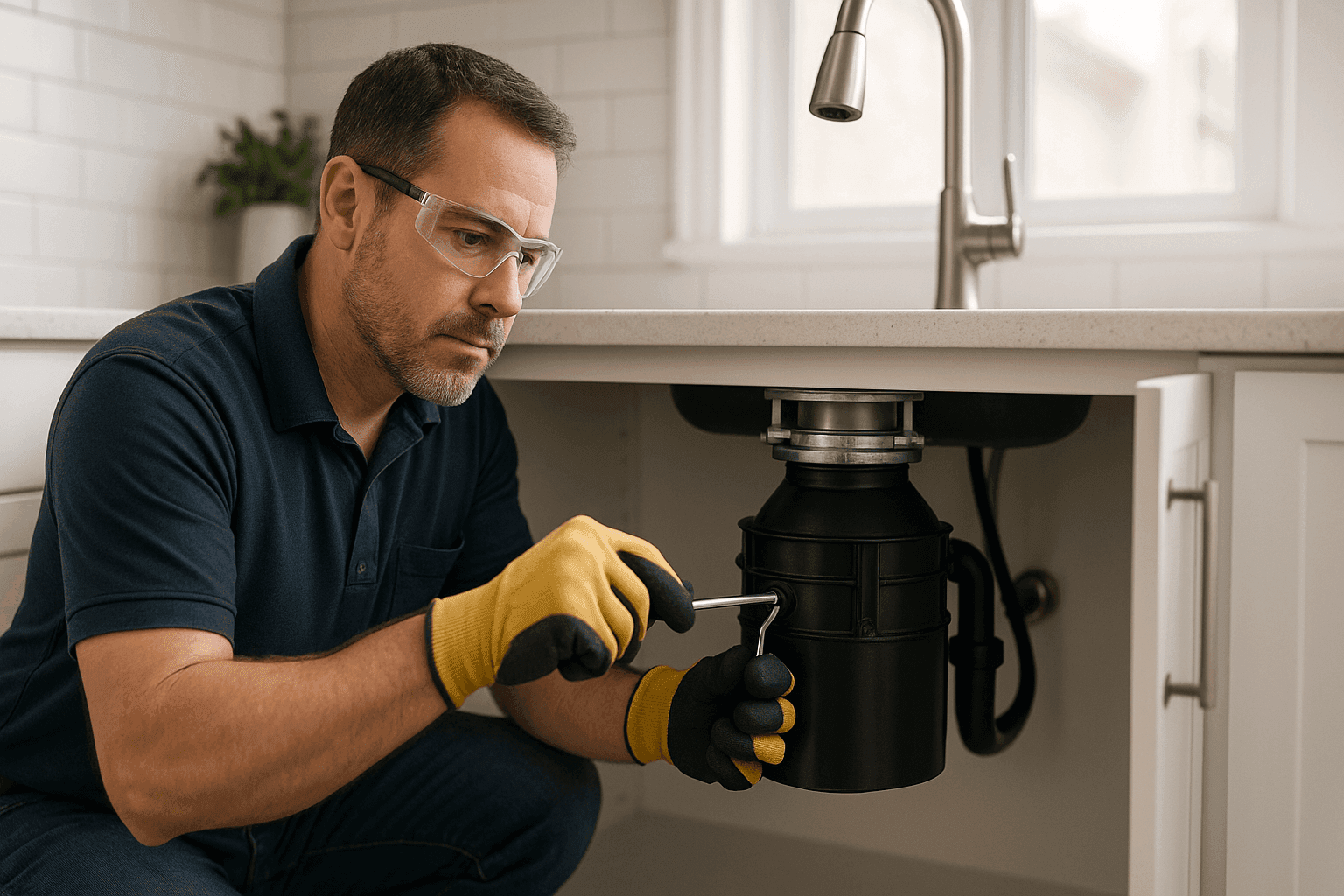
If your garbage disposal has suddenly stopped working, you’re not alone. It’s one of those kitchen moments that can turn a regular Tuesday into a scramble. At Plumbing Xpert, we know a failing disposal can grind your whole routine to a halt—literally.
Before you reach for the phone in a panic, let’s walk through what you can check yourself. You’ll feel more confident, and you might even have your sink back to normal in minutes.
Common Disposal Problems
Garbage disposals are tough, but they’re not invincible. Most issues fall into a handful of categories:
- The disposal won’t turn on.
- It hums but doesn’t spin.
- There’s a clog or backup.
- It’s leaking from underneath.
- Strange noises—rattling, grinding, or squealing.
Think of your disposal like a blender that’s seen too many leftovers. Sometimes it just needs a reset, but other times, something’s stuck in its blades or it’s worn out.
DIY Fixes: Jams, Resets, and Clogs 🛠️
Let’s take it step by step. Always start safe.
If It Won’t Turn On
- Check the power. Is it plugged in? Flip the wall switch.
- Reset the unit. Look for a red or black button underneath. Press it firmly.
- Still nothing? Check your breaker box. Sometimes it’s just a tripped circuit.
If It Hums but Doesn’t Grind
This is classic jam territory. Here’s what to do:
- Turn everything off. Unplug the unit or switch off the breaker—no exceptions.
- Use an Allen wrench. Most disposals have a hex hole underneath. Insert the wrench and twist back and forth to free the jam.
- Never put your hand inside the disposal, even if it’s off.
If It’s Clogged
- Don’t use harsh chemicals. They can damage pipes and your disposal.
- Try a plunger. Fill the sink slightly, cover the drain, and plunge carefully.
- Flush with cold water. Run it for 30 seconds after clearing the jam.
For Odors or Minor Buildup
- Ice cubes and rock salt. Toss a handful in and run the disposal for a few seconds.
- Citrus peels. They help freshen up the unit (but don’t use large amounts).
Safety Precautions Every Homeowner Should Know ⚡
Your garbage disposal is part electric, part plumbing. That means twice the danger if you’re careless. Remember:
- Always unplug or switch off power before working on the unit.
- Keep hands and tools away from the grinding chamber when powered.
- Wear gloves if you must reach inside (after confirming power is off).
- Never pour grease or fibrous foods (like celery or corn husks) down the disposal.
- Use cold water when operating to prevent overheating.
For more, see the National Electrical Code (NEC) and local plumbing codes for safe home appliance repair practices.
When to Replace Instead of Repair
Sometimes, no amount of fiddling will bring your disposal back. Consider a replacement if:
- Frequent jams or resets—more than once a month.
- Leaking from the body or motor.
- Loud, persistent grinding noises even after clearing debris.
- Unit is over 10 years old.
- Burning smell or smoke.
A new disposal is often more energy-efficient and quieter—think of it like trading in a clunky old car for something smoother.
DIY vs. Call a Pro
Not sure if it’s time to call Plumbing Xpert? Here’s a quick guide:
-
DIY:
- Simple clogs
- Pressing the reset button
- Using a hex wrench on jams
-
Call a Pro:
- Electrical issues (won’t turn on after all resets)
- Leaks under the sink or from the unit
- Repeated clogs or jams
- Water pooling under cabinets
- Unusual noises after clearing jams
Remember, mixing water and electricity is a recipe for disaster if you’re not sure what you’re doing.
What Pros Do On Arrival
When Plumbing Xpert shows up, here’s what to expect:
- Full inspection of the disposal and connections
- Safe power diagnostics (testing circuits, switches, wiring)
- Blade and chamber cleaning
- Checking for leaks in pipes and seals
- Advice on replacement if the unit is beyond repair
Our training follows the guidelines from the International Association of Plumbing and Mechanical Officials (IAPMO) and local safety codes.
Prevention & Maintenance Tips 🧽
Keep your disposal running smoothly with these simple habits:
- Run cold water before, during, and after use.
- Cut up large scraps. Feed gradually to avoid jams.
- Avoid starchy foods (rice, pasta) and fibrous peels.
- Clean monthly with a mix of ice cubes and baking soda.
- Inspect for slow drains—a sign of bigger plumbing issues.
Regular checks can prevent the need for emergency plumbing calls.
Costs & Time Factors
Disposal repairs are often affordable, but costs vary:
- Simple reset or jam: 10–20 minutes, minimal cost.
- Clearing a clog: 20–60 minutes, depending on severity.
- Replacement: 1–2 hours for removal and install.
Parts and labor can add up if there’s extensive damage. If you’re dealing with leaks, water damage, or electrical faults, repairs may cost more than a new unit.
When It’s an Emergency
Certain situations mean it’s time to call for emergency plumbing, no question:
- Water flooding under the sink
- Electrical shocks or sparks
- Persistent leaks even when not in use
- Sewage smells or backup in multiple drains
- You smell gas (call your gas company immediately, then your plumber)
In these cases, shut off power at the breaker and water at the valve if safe. Then, get help fast.
FAQ: Garbage Disposal Repair
Q: Can I use chemical drain cleaners in my garbage disposal?
A: No. Chemicals can damage both the disposal and your pipes. Stick to mechanical methods or call a professional.
Q: Why does my disposal keep tripping the reset button?
A: Frequent resets often mean overheating, electrical trouble, or a dying motor. Time for a professional assessment.
Q: My disposal is leaking—can I patch it?
A: Leaks from pipes can sometimes be sealed, but leaks from the body mean the unit is failing. Replacement is usually safer.
Q: Is it safe to put eggshells or coffee grounds down the disposal?
A: No. Both can cause clogs and dull the blades. Compost those instead.
Local and Seasonal Considerations 🌧️
- Cold climates: Disposals can freeze or clog more easily—run hot water before and after use in winter.
- Holiday season: More cooking means more risk for jams and clogs. Remind family what not to put down the drain.
- Older homes: Wiring and pipes can add extra risk. Always check that your kitchen outlets are GFCI-protected.
Ready for Help?
If your garbage disposal is still giving you trouble, don’t let it ruin your day—or your dinner plans. Plumbing Xpert is ready for emergency plumbing needs, from quick fixes to full replacements, and even Sewer Line Repair near you if you need it.
Call Plumbing Xpert now — or reach us anytime at 877-657-7699 .