Fixture Installation Guide: Faucets, Sinks, Showers, and More
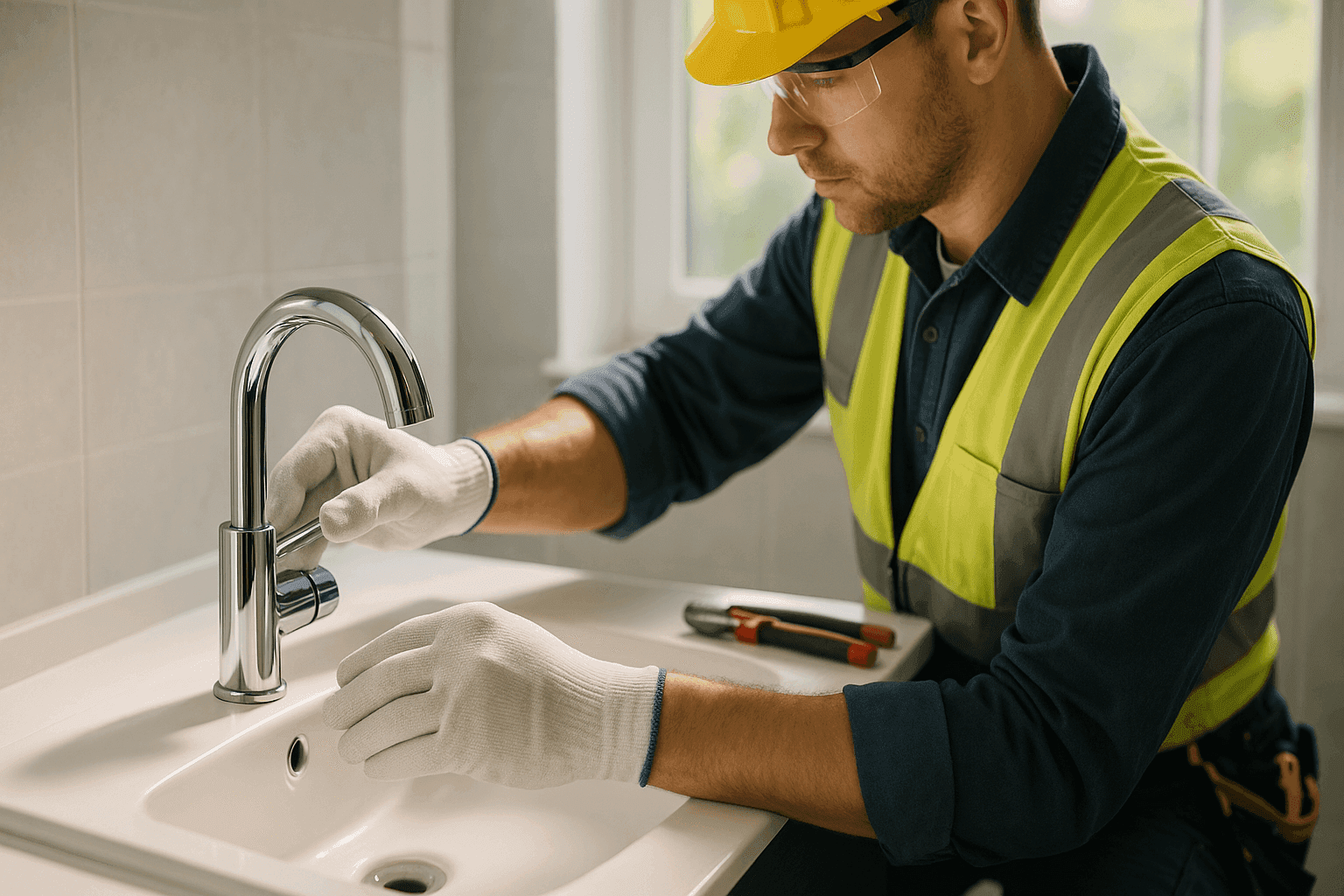
When your faucet drips nonstop at 2 a.m., or your sink wobbles every time you brush your teeth, there’s no ignoring it. A small leak can turn into a big mess fast. At Plumbing Xpert, we’ve seen what happens when quick fixes go wrong—or when homeowners wait too long. That’s why we created this guide: to help you make smart choices, avoid common pitfalls, and know when it’s time to call emergency plumbing services.
Whether you’re upgrading your bathroom, remodeling your kitchen, or just want to stop that pesky leak, installing new fixtures can feel daunting. But it doesn’t have to be. We’ll break it down step by step, so you know exactly what to expect.
Choosing the Right Fixtures 🛁
Picking a new faucet or sink isn’t just about style—it’s about making sure what you buy fits your space and your lifestyle.
What to Consider:
- Compatibility: Not all fixtures fit all sinks or showers. Measure everything twice. Check manufacturer specs for mounting holes, size, and water pressure requirements.
- Water Efficiency: Look for WaterSense-labeled products. They save water without sacrificing performance.
- Material Matters: Brass and stainless steel last longer than plastic. Ceramic disc valves outlast older rubber washers.
- Code Compliance: Plumbing codes vary by city. The International Association of Plumbing and Mechanical Officials (IAPMO) and your local building department set the rules. Check before you buy—especially for gas or backflow prevention fixtures.
- Warranty: Read the fine print. Some warranties can be voided by improper installation.
Pro Tip: Bring a photo of your current setup to the store. It helps avoid surprises later.
DIY vs. Professional Installation 🤔
Installing a new fixture can look easy on TV. Sometimes it is. Other times, it’s a slippery slope.
DIY is realistic if:
- The fixture matches your existing plumbing exactly.
- Shut-off valves work properly.
- You have the right tools and patience.
Call Plumbing Xpert if:
- You find corrosion, leaks, or odd pipe sizes.
- You need to move water lines or install gas lines.
- Local code requires a licensed plumber (common for gas, backflow, or major changes).
- It’s an emergency plumbing situation—like a burst pipe or sewage backup.
Think of DIY like baking a cake from scratch: a fun project if you follow the recipe and have the ingredients. But if the oven’s broken or you’re missing eggs, it’s time to call for help.
Step-by-Step Installation Guides
How to Install a Sink
- Turn Off Water: Always shut off the water supply. Use the shut-off valves under the sink.
- Remove Old Sink: Disconnect supply lines and drain. Cut caulk with a utility knife. Lift out the old sink.
- Check Compatibility: Make sure the new sink fits the existing cutout and plumbing.
- Install Faucet & Fixtures: It’s easier to attach the faucet and drain while the sink is out.
- Apply Plumber’s Putty: Create a watertight seal around the drain and edges.
- Set the New Sink: Lower carefully into place. Secure with mounting clips.
- Reconnect Plumbing: Tighten supply lines and drain. Check for leaks.
- Test: Turn on the water and run it for a few minutes. Watch for drips.
Timeline: 1–3 hours for most drop-in sinks. Longer if plumbing needs adjustment.
How to Install a Faucet
- Shut Off Water: Always the first step.
- Disconnect Supply Lines: Use an adjustable wrench.
- Remove Old Faucet: Loosen mounting nuts. Clean the area.
- Install New Faucet: Secure with supplied hardware. Use silicone for a snug seal.
- Reconnect Supply Lines: Don’t overtighten.
- Check for Leaks: Turn water on slowly.
Timeline: 30 minutes to 2 hours.
How to Install a Shower Fixture
- Turn Off Main Water: For showers, the main shut-off is safest.
- Remove Old Fixture: Use a screwdriver or wrench.
- Inspect for Mold or Damage: Address any found before installing new hardware.
- Wrap Threads with Teflon Tape: Prevents leaks.
- Attach New Fixture: Hand-tighten, then a final small turn with a wrench.
- Turn On Water: Test for leaks and proper pressure.
Timeline: 1–2 hours for most swap-outs.
Common Pitfalls to Avoid 🚫
- Skipping Compatibility Checks: Fixtures that don’t fit mean extra trips to the store—or worse, water damage.
- Ignoring Shut-Off Valves: Old valves can break. If they don’t hold, call a plumber.
- Over-Tightening Fittings: This can crack pipes or strip threads.
- Not Checking for Leaks: Always test before cleaning up tools.
- Forgetting Building Codes: Unapproved installations can cause insurance headaches later.
Remember: Many plumbing codes are based on the Uniform Plumbing Code (UPC). Always check your city’s rules before starting.
Quick Safety Checklist
- Wear gloves and safety glasses.
- Use a flashlight for dark spaces.
- Always turn off the water (and power for electric fixtures).
- Keep a bucket handy for spills.
- Never force tight connections.
- Have emergency plumbing contacts ready in case something goes wrong.
DIY vs. Professional Installation—A Closer Look
It’s tempting to save money with DIY. But some jobs carry hidden risks.
DIY Pros:
- Save on labor.
- Learn new skills.
- Immediate gratification.
DIY Cons:
- Voiding manufacturer’s warranty if installed incorrectly.
- Hidden leaks can lead to mold or water damage.
- Violating code can mean fines or insurance issues.
Professional Benefits:
- Correct installation the first time.
- Code compliance.
- Access to specialized tools and parts.
- Emergency plumbing support if things go sideways.
If you’re unsure, a quick call to Plumbing Xpert can save hours of frustration.
What Pros Do On Arrival
Professional plumbers follow a proven routine:
- Inspect the area for existing or hidden damage.
- Check water pressure and shut-off valves.
- Confirm fixture compatibility.
- Protect floors and counters from debris.
- Use code-approved materials and techniques.
- Double-check all connections and test for leaks.
- Clean up thoroughly—no mess left behind.
Prevention & Maintenance
- Regular Checks: Inspect under sinks and behind fixtures every few months.
- Clean Aerators: Mineral buildup can reduce water pressure.
- Replace Washers: Stop small drips before they grow.
- Annual Plumbing Inspection: Many issues hide behind walls—catch them early.
The Environmental Protection Agency (EPA) recommends fixing leaks as soon as you spot them—saving water, money, and headaches.
Costs & Time Factors
- Simple swaps: Replacing a faucet or shower head can take under an hour.
- Full fixture installs: Plan for 1–3 hours, longer if pipes need adjusting.
- Complications: Rusted parts, corroded valves, or code-required changes can add hours—or require professional help.
Cost drivers:
- Complexity of the job.
- Type and quality of the fixture.
- Required permits or code upgrades.
- Emergency plumbing rates after-hours.
Always ask for an estimate before work begins.
When It’s an Emergency
Not all leaks can wait. Call emergency plumbing services if:
- Water won’t shut off.
- Pipes have burst or are spraying.
- There’s sewage or foul odors.
- Flooding threatens floors or walls.
- You smell gas near a water heater or stove.
Tip: Know where your main water shut-off valve is—even before you need to use it.
FAQ
Q: Can I install a new faucet myself?
A: If the new faucet matches the old one and your shut-off valves work, yes. If you run into stuck parts or leaks, call a pro.
Q: How do I know if a fixture is compatible?
A: Check the number of holes, spacing, and water line connections. When in doubt, bring measurements and photos to the store.
Q: Do I need a permit?
A: For simple swaps, usually not. For new gas, sewer line installation, or moving pipes, most cities require a permit and inspection.
Q: How often should fixtures be replaced?
A: Quality fixtures can last 10–20 years. Replace sooner if they leak, corrode, or stop working.
Local & Seasonal Considerations 🌦️
- Winter: Insulate pipes to prevent freezing and bursting.
- Hard Water Areas: Install water filtration systems to extend fixture life.
- Older Homes: Watch for non-standard pipe sizes and outdated shut-off valves.
Plumbing codes and water quality can vary by region. Always check local requirements before starting any major project.
Ready to upgrade your fixtures or facing a plumbing emergency?
Call Plumbing Xpert now — or reach us anytime at 877-657-7699 .