How Much Does Professional Drain Cleaning Cost? Pricing & Factors
When your sink starts swirling slower than a lazy river, or you hear gurgling from the shower drain, it's natural to worry about the cost of professional drain cleaning. You want honest answers—not scare tactics. At Plumbing Xpert, we know what it’s like to have plumbing trouble strike at the worst moment. You deserve straightforward info before you pick up the phone.
Let’s break down what goes into drain cleaning costs, how prices add up, and what you can expect if you need emergency plumbing. We’ll also share real-world tips to help you save money and avoid surprises.
Average Costs by Type of Drain 🧰
Pricing for drain cleaning isn’t one-size-fits-all. The cost often depends on where the clog is hiding and how stubborn it is. Here’s a snapshot of national averages, though prices may vary with your location, home type, and urgency.
- Kitchen Sink: $110–$250. Grease, food scraps, and soap scum are common culprits.
- Bathroom Sink/Tub/Shower: $100–$220. Hair and toothpaste can build up like a slow mudslide.
- Toilets: $120–$275. Unclogging toilets is a routine call, but deep blockages can run higher.
- Main Sewer Line: $300–$800+. Tree roots, wipes, or years of buildup can block the whole house.
Note: If you live in an older home or a region with heavy clay soils (like parts of the Midwest), main line cleanings may trend higher due to root intrusion and pipe material.
Service Types Explained
- Snaking (Drain Auger): The go-to for minor clogs. A flexible cable is fed into the pipe to break up or pull out blockages.
- Hydro-Jetting: High-pressure water blasts through years of buildup. It’s powerful but not always safe for fragile pipes.
- Camera Inspection: Sometimes used before or after cleaning, especially for recurring problems or main line issues.
Factors Affecting Prices
Why do some jobs cost more than others? Think of your plumbing system like the branches of a tree—some roots are easy to trim, while others are tangled deep underground.
- Severity: A simple clog near the surface is cheaper than a solid mass deep in the line.
- Access: If your plumber has to lift toilets or cut into walls, labor costs rise.
- Emergency Calls: Nights, weekends, or holidays may double the price due to urgency.
- Pipe Material & Age: Fragile or corroded pipes may require gentler methods or extra care.
- Location: Urban areas with high labor costs or older infrastructure may see higher rates.
- Repeat Issues: Chronic clogs can signal bigger problems, like pipe collapse or root invasion.
DIY vs. Pro Cleaning
You might be tempted to grab a plunger or a bottle of store-bought cleaner. Sometimes, that’s enough. But, like patching a tire with duct tape, DIY fixes don’t always last.
When DIY Might Work:
- A slow drain that responds to plunging.
- Very minor clogs near the surface.
Risks of DIY:
- Chemical cleaners can eat away at pipes and harm water quality.
- Pushing a clog further can make things worse.
- Snaking without skill can crack old pipes.
When to Call Plumbing Xpert:
- Water backs up in more than one fixture.
- Foul odors linger after attempted fixes.
- You’ve tried a plunger, and the clog keeps coming back.
- There are signs of water damage or leaks.
How to Get an Accurate Estimate
No two homes—or clogs—are exactly alike. To avoid sticker shock, keep these tips in mind:
- Be clear about the problem: Note which fixtures are slow or backed up.
- Share your home’s age and any past plumbing repairs.
- Ask if the estimate includes camera inspection, labor, and disposal fees.
- Mention if it’s an emergency or if you’ve tried DIY fixes.
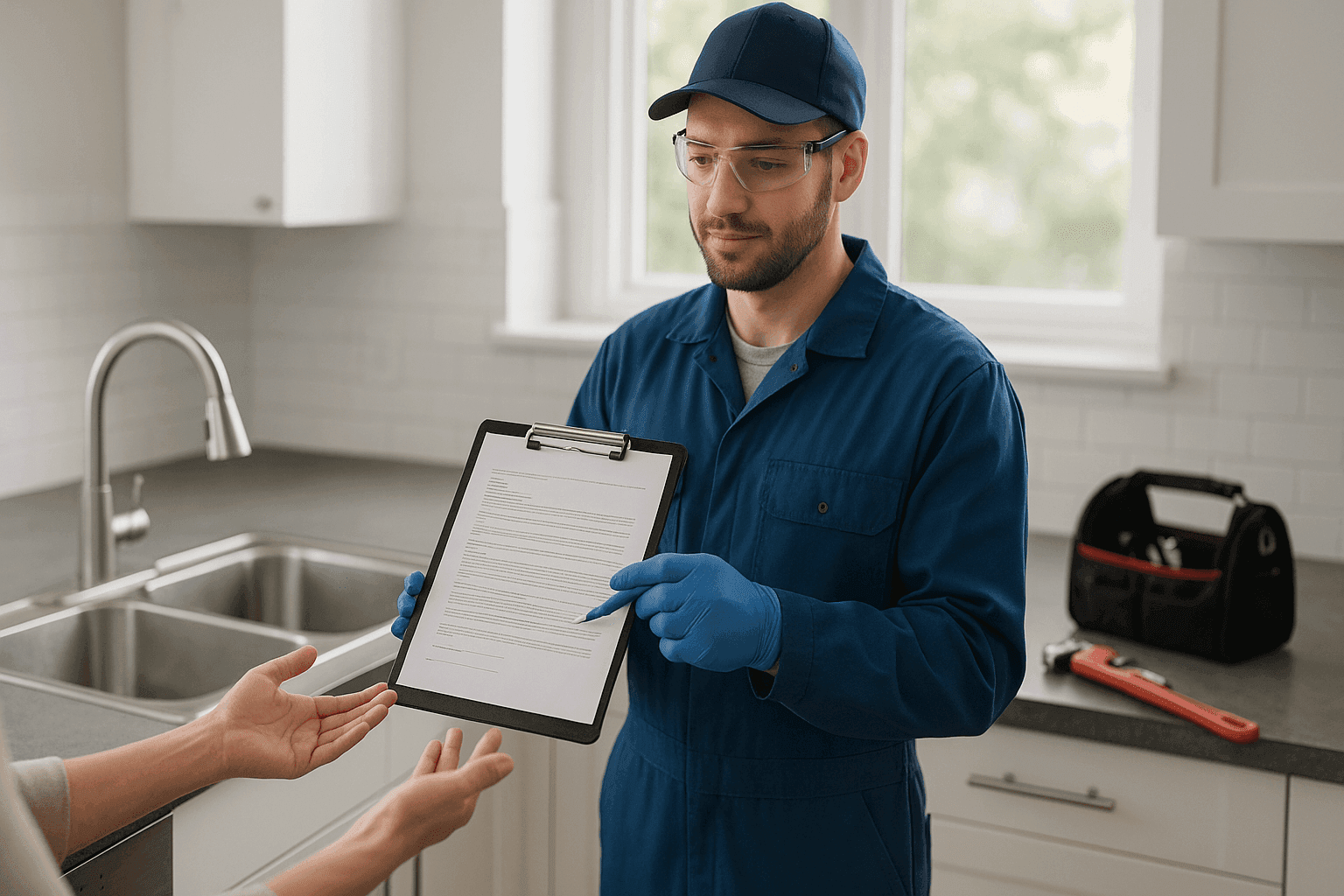
A reputable plumber will walk you through what’s included and may offer a range rather than a flat quote. If you’re asked for photos or a video, it’s to help pinpoint the problem and save you time.
What Pros Do On Arrival
Expect a systematic approach—like a detective solving a mystery.
- Inspection: Plumber will examine affected fixtures and may ask about your home's plumbing history.
- Testing: They’ll run water, check for backups, and identify which drains are affected.
- Snaking or Jetting: The right tool will be chosen based on the clog’s location and severity.
- Camera Inspection (if needed): To verify the clog is gone or to spot deeper issues.
- Cleanup: All debris is removed, and the area is left tidy.
Qualified plumbers follow local building codes and safety standards, such as those outlined by the International Plumbing Code (IPC). They use personal protective equipment (PPE) and ensure the area is safe for you and your family.
Prevention & Maintenance
An ounce of prevention can save you a bucketful of trouble. Here’s what you can do:
- Avoid flushing wipes, grease, or hygiene products. Even “flushable” wipes can clog pipes.
- Install drain screens in sinks and tubs to catch hair and debris.
- Run hot water weekly to help clear minor buildup.
- Schedule annual drain maintenance—especially in older homes or if you’ve had clogs before.
- Check for slow drains seasonally, especially before holidays or big gatherings.
The Environmental Protection Agency (EPA) recommends regular maintenance and mindful disposal to protect both your plumbing and local water quality.
Costs & Time Factors
Drain cleaning can take anywhere from 30 minutes to several hours. Here’s what drives the timeline and cost:
- Simple sinks/tubs: Usually 30–60 minutes.
- Main line or severe clogs: 1–3 hours, especially if camera inspection or jetting is needed.
- Emergency service: Expect a premium—sometimes double—for after-hours calls.
National Averages (2025):
- Snaking a single drain: $110–$250
- Hydro-jetting: $350–$600
- Camera inspection: $150–$400 (if not included)
Regional Notes:
- Cold climates may see more winter backups due to pipe contraction and tree roots seeking warmth.
- Coastal areas can face different mineral deposits, impacting cleaning methods and frequency.
When It’s an Emergency
A flood of water in the basement or sewage backing up into the tub is never convenient. Emergency plumbing rates reflect the need for fast response and specialized equipment. Here’s what qualifies:
- Multiple drains backing up at once.
- Sewage smells or visible wastewater indoors.
- Water rising rapidly or flooding.
- No access to toilets or showers in the home.
If your situation involves health risks, standing water, or potential electrical hazards, call immediately. Emergency plumbing can cost 1.5–2x the regular rate, but fast action can prevent expensive water damage.
FAQ
Q: Can I use chemical drain cleaners instead?
A: Store-bought cleaners can work for minor clogs, but they may damage pipes and aren’t safe for septic systems or older plumbing.
Q: How often should I have my drains cleaned?
A: For most homes, once a year is enough. If you have frequent clogs, consider more frequent maintenance or a camera inspection.
Q: Will insurance cover drain cleaning?
A: Usually, routine cleaning is not covered. Damage from a sudden backup or burst pipe might be, but check your specific policy.
Local and Seasonal Considerations 🌧️
Where you live impacts your plumbing needs. In regions with hard water, mineral buildup may clog pipes faster. Areas with mature trees see more root intrusion into sewer lines—especially after rainy seasons or droughts.
If you’re in a flood-prone zone, sump pump and backflow prevention maintenance are extra important. Winter brings its own challenges: frozen pipes can slow drainage, and sudden thaws can overwhelm old systems.
No matter your zip code, Plumbing Xpert understands the local quirks—and can recommend tailored preventative steps when you call.
Call Plumbing Xpert now — or reach us anytime at 877-657-7699 .