Drain Cleaning 101: How to Keep Your Home's Pipes Flowing
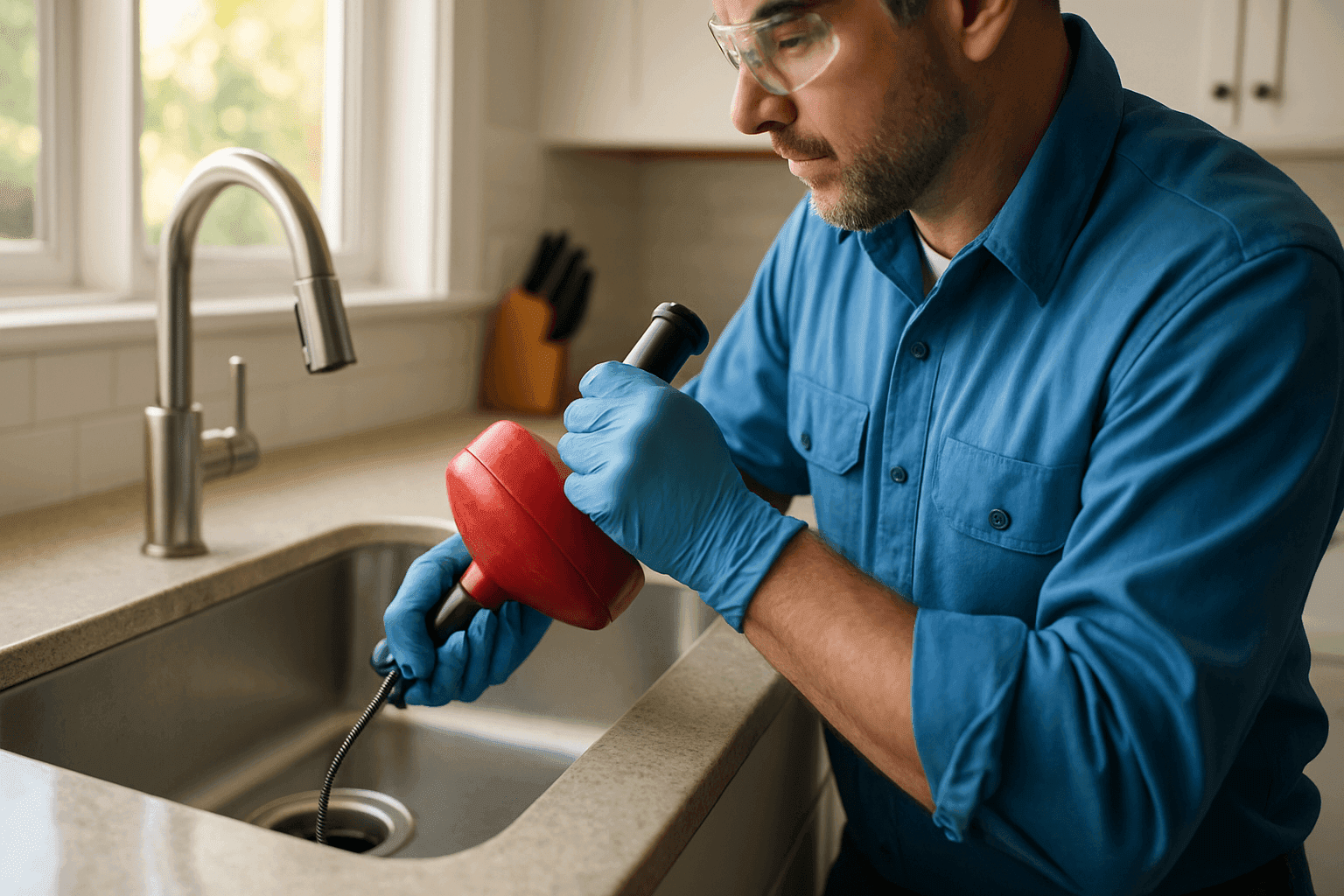
Every homeowner knows the sinking feeling of a slow-draining sink or gurgling toilet. It’s not just annoying—it’s a warning sign. Ignore it, and you might be ankle-deep in water, searching for “emergency plumbing” on your phone late at night.
At Plumbing Xpert, we’ve seen it all. From kitchen drains packed with grease to bathroom pipes full of hair. Drain problems don’t wait for a convenient time. That’s why knowing how to keep your pipes clear—and when to call for help—makes all the difference.
Causes of Drain Clogs 🚫
Clogs are like traffic jams for your pipes. Some build up slowly, others block the way in seconds. Here’s what typically causes those backups in kitchens, bathrooms, and even your main sewer line:
- Kitchen sinks: Grease (even in small amounts), soap scum, coffee grounds, food scraps, and fibrous peels (like potato skins) stick together and form stubborn blockages.
- Bathroom drains: Hair, soap residue, toothpaste, and flushed hygiene products can create a net that snags everything else.
- Main line drains: Tree roots sneaking into old pipes, a build-up of flushable wipes (which aren’t really flushable), and collapsed or sagging pipes can all slow things down.
According to the International Association of Plumbing and Mechanical Officials (IAPMO), most residential clogs start with improper disposal habits. Even “disposable” wipes and grease can cause major backups over time.
Quick Safety Checklist
Before you touch any plumbing tools or open up a drain, safety matters. Here’s your crash course:
- Gloves on: Protect your hands from bacteria, sharp debris, and harsh residues.
- Eye protection: Avoid splashes, especially when plunging or using tools.
- Ventilate: Open windows when using any cleaning agents (even natural ones).
- Know your pipes: If your home’s older or has had Sewer Line Repair near you, pipes may be fragile—avoid force.
- Turn off the water: If working near the main shutoff, know how to stop the flow in an emergency.
Never mix cleaning agents, and avoid chemical drain cleaners—they can corrode pipes and are dangerous to handle. The Environmental Protection Agency (EPA) warns that chemical cleaners can also harm groundwater if leaked.
DIY Cleaning Methods
Sometimes you don’t need a pro—just the right tool and technique. Here’s how to clear most residential clogs safely:
The Plunger: Your First Line of Defense
- Cup plungers for sinks and tubs.
- Flange plungers for toilets.
- Cover the overflow opening with a wet rag for best suction.
- Firm, even strokes for 30 seconds should do the trick.
The Drain Snake (Hand Auger)
- Insert gently into the drain until you feel resistance.
- Rotate and push—think of it like threading a needle, not forcing a crowbar.
- Pull out slowly. Clean the snake outside (not in the sink!).
Baking Soda & Vinegar
- Pour 1/2 cup baking soda down the drain, then 1 cup vinegar.
- Wait 15 minutes, then flush with hot (not boiling) water.
- Safe for most pipes and the environment.
What NOT to do:
- Don’t use boiling water on porcelain or PVC drains.
- Never mix commercial cleaners.
- Don’t force tools or try to “poke through” deep clogs—this can crack pipes.
When to Use Professional Tools
Some clogs laugh at plungers and snakes. Here’s when to call Plumbing Xpert for emergency plumbing:
- Multiple slow drains: Indicates a main line problem, not just a single sink.
- Backups in lower fixtures: Sewage in your basement or first-floor shower? Main line is blocked.
- Recurring clogs: Clogs that return after DIY fixes suggest pipe damage or deeper debris.
- Gurgling or foul odors: These are red flags for vent or sewer issues.
Pros use motorized augers, hydro-jetting (high-pressure water), and sewer cameras to find and fix the real problem—fast and safely. These tools require training and can damage pipes in untrained hands.
Preventing Future Clogs 🌱
Think of your pipes like arteries—they need to stay clear for everything to flow. Here’s how to keep them healthy:
- Use drain strainers: Cheap, effective, and easy to clean.
- Keep grease out: Wipe pans with paper towels before washing.
- Flush with hot water: Once a week, pour hot tap water down kitchen drains.
- Brush hair before showering: Less hair = fewer clogs.
- No “flushable” wipes: Trash them instead.
- Regular maintenance: Schedule annual Sewer Line Inspection to catch root or debris problems early.
The Uniform Plumbing Code recommends annual inspections for homes with mature trees or older sewer lines.
DIY vs. Call a Pro
How do you know when to roll up your sleeves—or dial for help? Here’s a quick guide:
DIY is fine when:
- Only one fixture is slow or backed up.
- You can see the blockage (like hair in a tub).
- Plungers and snakes work after a few tries.
Call Plumbing Xpert if:
- Multiple drains are slow or stopped.
- You hear bubbling, see sewage, or smell foul odors.
- Water backs up into sinks, tubs, or toilets after running other fixtures.
- You’ve tried safe DIY methods and the problem returns.
Remember, pushing too hard can turn a clog into a leak—or worse, a burst pipe.
What Pros Do On Arrival
When a Plumbing Xpert technician arrives, you can expect:
- Assessment: We ask the right questions and check water flow at several fixtures.
- Inspection: Visual checks, sometimes with a camera for main lines.
- Clearing the clog: Using the right-sized auger, hydro-jet, or other specialty tool.
- Testing: We run water and flush to ensure the problem is fully cleared.
- Advice: Tips on preventing recurrence, tailored to your home.
We follow safety guidelines set by the Occupational Safety and Health Administration (OSHA) and local codes for every job.
Prevention & Maintenance
Staying ahead of clogs is easier—and cheaper—than cleaning up a flood. Here’s your maintenance roadmap:
- Monthly: Clean your drain stoppers and baskets. Flush kitchen drains with hot water.
- Quarterly: Use baking soda and vinegar, followed by hot water.
- Annually: Schedule a Sewer Line Inspection or Preventative Maintenance visit.
- After big storms: Check basement and yard drains for debris.
If your home has experienced water pressure issues, consider a water filtration system to reduce mineral buildup.
Costs & Time Factors
Drain cleaning costs and timelines vary by the type of clog and access:
- Simple clogs (sink, tub): 30–60 minutes with basic tools.
- Toilet or main line clogs: 1–2 hours, especially if camera inspection is needed.
- Complex blockages (tree roots, collapsed pipes): Several hours to a day, may require sewer line repair or replacement.
Remember: DIY saves money only if it works. Delays or mistakes can multiply costs if pipe repair or repiping becomes necessary.
When It’s an Emergency 🚨
Some drain problems can’t wait. Call Plumbing Xpert for emergency plumbing if:
- Water or sewage is backing up into your home.
- You smell gas near drains (call your utility company first).
- There’s a risk of flooding, especially near electrical panels or appliances.
Quick action prevents property damage and health risks from contaminated water.
FAQ
Q: Are chemical drain cleaners safe for pipes?
A: No. The EPA and most plumbers advise against them. They can corrode pipes and harm the environment.
Q: How often should I clean my drains?
A: Monthly for stoppers/strainers; quarterly for baking soda and vinegar flushes; annually for a pro inspection.
Q: Is it okay to pour boiling water down my drains?
A: Only down metal pipes, not PVC or porcelain fixtures. Hot tap water is safer for most homes.
Q: Why does my drain keep clogging even after cleaning?
A: You may have a deeper issue—like pipe damage, roots, or improper pitch. A Sewer Line Inspection near you can pinpoint the cause.
Local/Seasonal Considerations
If your area experiences hard freezes, pipes can contract and cracks may open up—letting in roots or debris. After heavy rain, ground shifts can force dirt and leaves into outdoor drains. For homes with older plumbing, seasonal maintenance is especially important to avoid emergency plumbing calls.
If you’re seeing more clogs during certain times of year, ask about backflow prevention and sump pump repair to keep everything moving in the right direction.
Call Plumbing Xpert now — or reach us anytime at 877-657-7699 .