How to Detect and Fix Hidden Plumbing Leaks Before They Cause Damage
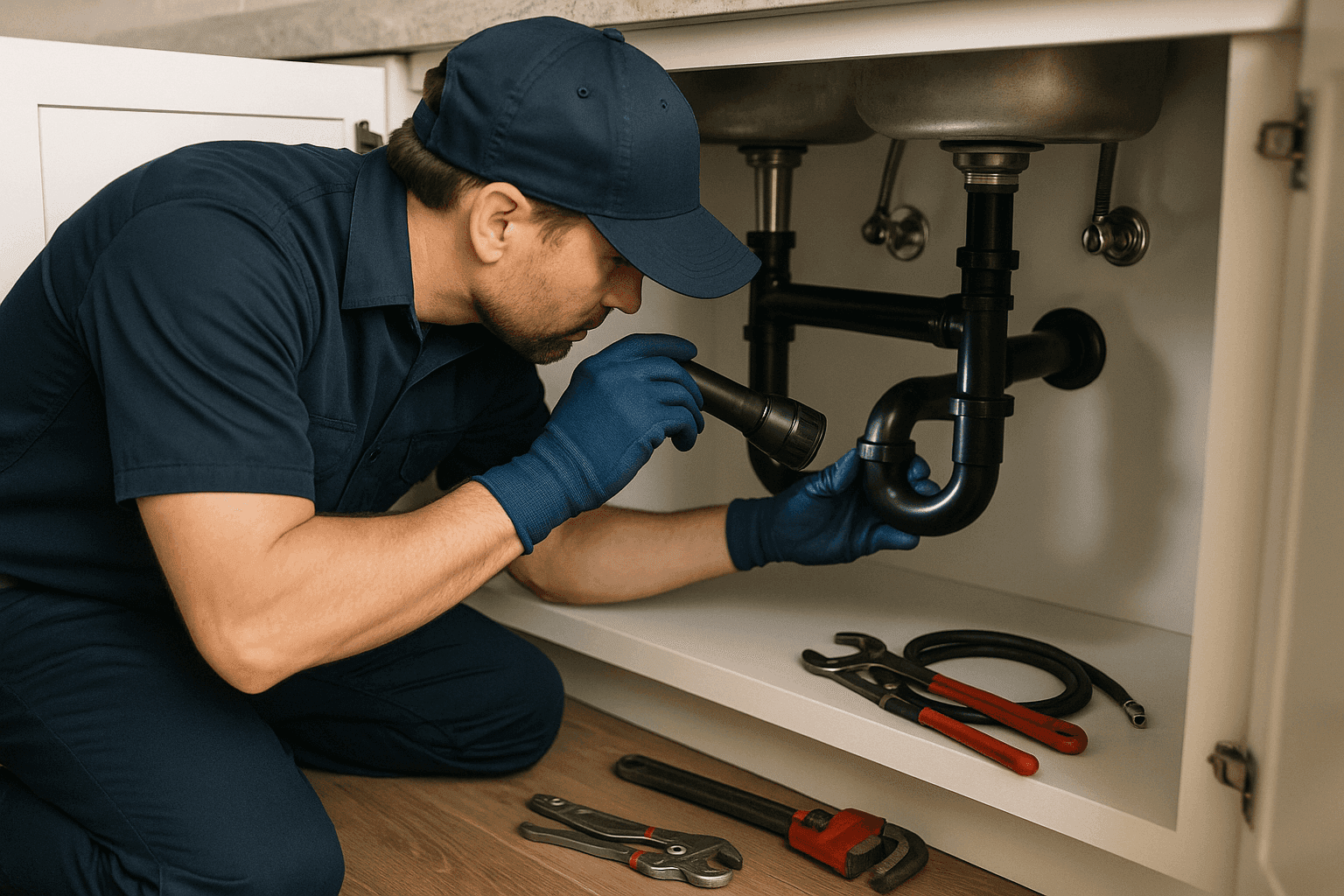
Water can be sneaky. One day, everything’s fine. The next, you’re peeling back a soggy wall or mopping up a puddle that came out of nowhere. Hidden plumbing leaks don’t just waste water—they can quietly eat away at your home or business, leaving behind costly damage and headaches.
At Plumbing Xpert, we’ve seen how a small drip can turn into a waterfall if ignored. That’s why knowing how to spot and fix hidden leaks isn’t just smart—it’s essential. Let’s walk through how you can catch these silent troublemakers early, keep your space safe, and know when it’s time to call in emergency plumbing help.
Why Hidden Plumbing Leaks Are a Big Deal
A hidden leak is like a slow leak in your car tire. You might not notice it at first, but eventually, you’re stuck on the side of the road—or in this case, facing warped floors, mold, or even structural damage. Leaks tucked away behind walls, under floors, or in ceilings can:
- Soak insulation and framing, weakening your property’s bones
- Fuel mold and mildew, which can harm air quality and health
- Cause spikes in your water bill, sometimes before you see a single drop
- Lead to expensive repairs if left unchecked
Ignoring these leaks is like ignoring a ticking clock. Sooner or later, you’ll pay for it.
Quick Safety Checklist Before You Start 🛑
Before you go hunting for leaks, keep safety front and center:
- Turn off electricity to areas where you suspect water leaks—water and wires don’t mix.
- Wear gloves and closed shoes to protect against sharp edges, mold, or bacteria.
- Use a flashlight to check dark corners and under sinks.
- Have a bucket and towels ready for any unexpected gushes.
- If you smell gas or see water near electrical panels, stop and call a professional right away.
Telltale Signs of a Hidden Leak
Leaks rarely announce themselves with a fanfare. Instead, look for these subtle clues:
- Unexplained increase in water bills: If your usage hasn’t changed but your bill has, something’s up.
- Damp spots or stains: On ceilings, walls, or floors—especially if they keep growing.
- Peeling paint or wallpaper: Moisture behind surfaces can make them bubble or peel.
- Mold or mildew smells: A musty odor is often the first sign.
- Warped or buckling floors: Water under hardwood or laminate can cause this.
- Sound of running water: If you hear it when everything’s off, investigate.
- Low water pressure: Sudden drops can mean water is escaping somewhere.
How to Find a Hidden Leak
Think of leak detection like detective work. Here’s how you can track down the culprit:
Visual Inspection
- Check under sinks, around toilets, behind appliances, and inside cabinets.
- Look for water stains, discoloration, or condensation.
- Don’t forget less obvious places—crawl spaces, basements, and attics.
Listen Closely
- At night, when the house is quiet, listen for hissing, dripping, or running water.
- Put your ear to the wall or floor near where you suspect a leak.
Use a Moisture Meter
- These handy tools (available at hardware stores) can detect dampness behind walls or under floors.
- Press the prongs against the surface and watch for higher readings.
Meter Test
- Turn off all water-using appliances and fixtures.
- Check your water meter. Wait two hours (don’t use water).
- If the meter changes, you’ve got a hidden leak.
Dye Test for Toilets
- Add food coloring to the toilet tank.
- Wait 15 minutes without flushing.
- If color appears in the bowl, your toilet is leaking.
DIY Fixes for Minor Leaks
Some leaks are easy to handle if you catch them early:
- Tighten fittings: Loose connections under sinks or behind toilets can often be fixed with a wrench.
- Replace washers or seals: Dripping faucets or hose bibs usually need a new washer or O-ring.
- Use plumber’s tape: For threaded joints, wrap with Teflon tape to stop minor seepage.
- Patch small pipe leaks: Epoxy putty or pipe repair tape can offer a temporary fix until a pro arrives.
Important: If you’re dealing with pressurized pipes, always shut off the main water supply first.
When to Call a Professional Plumber
Not all leaks are DIY-friendly. Call Plumbing Xpert if:
- Water is gushing or flooding an area—shut off the main valve and call for emergency plumbing.
- You can’t find the source, but you see signs of water damage.
- The leak is inside a wall, ceiling, or slab.
- Mold is spreading or you smell sewage.
- You suspect a gas line or hot water leak.
Remember, some repairs require a licensed plumber by law (check the International Plumbing Code or local regulations).
What Plumbing Xpert Does On Arrival
When you call us for a hidden leak, here’s what to expect:
- Rapid assessment: We’ll ask about symptoms, check moisture levels, and inspect high-risk areas.
- Advanced detection: Using acoustic sensors, thermal cameras, or pressure testing, we pinpoint the source without unnecessary demolition.
- Safe repairs: Our team follows all safety and building codes, ensuring your plumbing is fixed right the first time.
- Cleanup and advice: We’ll help with water extraction (if needed) and offer tips to prevent future leaks.
Preventing Future Plumbing Leaks
An ounce of prevention is worth a pound of drywall. Here’s how to keep leaks at bay:
- Schedule annual plumbing inspections: Catch problems early before they escalate.
- Insulate pipes: Especially before winter, to prevent freeze-thaw bursts.
- Check water pressure: High pressure can strain joints and fixtures—install a pressure regulator if needed.
- Replace old hoses and washers: Especially on washing machines and dishwashers.
- Install leak detectors: Smart sensors can alert you to leaks before you see damage.
The Environmental Protection Agency (EPA) recommends fixing leaks promptly to save water and prevent property damage.
Costs & Time Factors
Leak repairs can range from a quick fix to a major project. Here’s what affects the cost and timeline:
- Location of the leak: Hidden leaks behind walls or under slabs take longer to find and repair.
- Extent of damage: Water-damaged floors, cabinets, or drywall may need replacement.
- Type of repair: Simple tightening or washer replacement is fast; pipe replacement or rerouting takes more time.
- Emergency response: After-hours or urgent calls may cost more, but can save thousands in damage.
Most minor leaks can be fixed in under an hour. Major repairs may take a day or more, especially if drying and restoration are needed.
When It’s an Emergency 🚨
Some leaks just can’t wait. Call for emergency plumbing if:
- Water is pouring out uncontrollably.
- There’s a risk of electrical hazards or gas leaks.
- Sewage is backing up or leaking.
- You see ceiling bulges or hear water running inside walls.
Quick action can make the difference between a minor inconvenience and a major disaster.
Frequently Asked Questions
How do I know if I have a leak if I can’t see any water?
Look for subtle signs—higher water bills, musty odors, or soft spots in walls or floors. Use the meter test for confirmation. If you’re still unsure, a professional can help with specialized tools.
Can I fix a hidden leak myself?
Some minor leaks (like under a sink) are DIY-friendly. But leaks inside walls, floors, or involving gas or sewage lines should always be handled by a licensed plumber.
Are hidden leaks covered by insurance?
Policies vary. Many insurance plans cover sudden, accidental leaks but not gradual damage from neglected maintenance. Always check your policy and keep records of repairs.
How often should I check for leaks?
It’s smart to do a quick inspection every season, especially before winter and after big storms. Annual professional inspections catch what you might miss.
Special Considerations for Leak Detection and Repair
- Winter freeze: Cold snaps can freeze and burst pipes. Insulate exposed pipes and let faucets drip during deep freezes.
- Older plumbing: Aging pipes (especially galvanized steel or polybutylene) are more prone to leaks. Consider repiping if issues are frequent.
- Business properties: Even small leaks can disrupt operations. Schedule regular preventive maintenance to avoid costly downtime.
- Water quality: Hard water can corrode pipes from the inside out. Water filtration systems can help extend pipe life.
Take Action Before a Drip Becomes a Disaster
Don’t wait for a ceiling to collapse or a bill to triple. Early leak detection and fast repair save money, stress, and your property’s value. Whether it’s a small drip or a midnight flood, Plumbing Xpert is here to help—day or night.
Call Plumbing Xpert now — or reach us anytime at 877-657-7699 .