How to Choose the Right Water Filtration System for Your Home
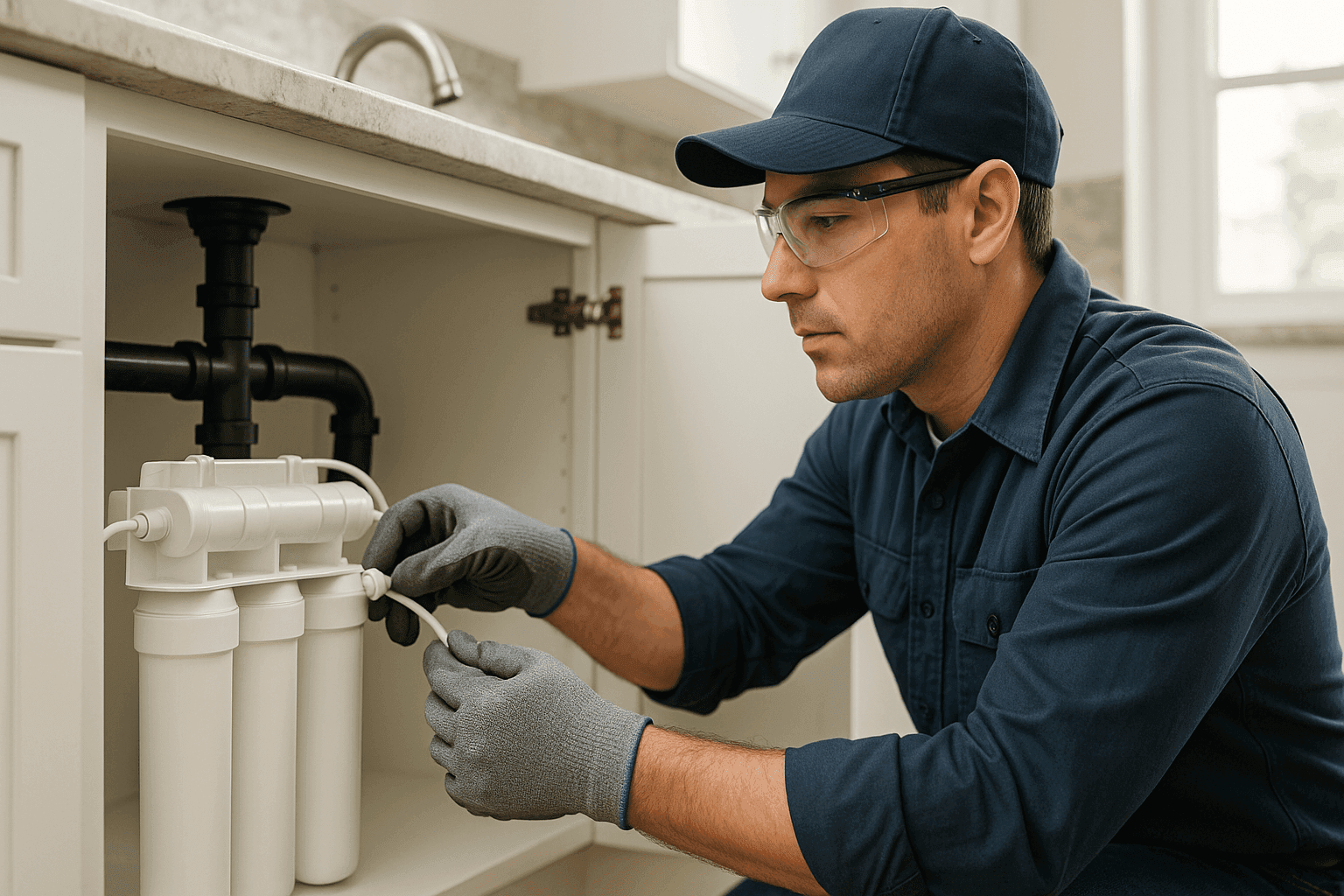
Is your tap water crystal clear, but you still wonder what’s really flowing out? You’re not alone. Choosing the right water filtration system can feel like trying to find the best umbrella in a rainstorm—so many shapes, sizes, and promises, but you just want to stay dry and safe.
At Plumbing Xpert, we see families every day worried about water safety. Whether it’s odd tastes, stains in the tub, or just peace of mind, the right filter can make a world of difference. Let’s walk through how to pick the best water filtration system for your home—step by step, no jargon, no guesswork.
Why Filter Your Water? 💧
Water is life, but not all water is created equal. Even if your city or well water looks and smells fine, invisible contaminants can still sneak in. Here’s why filtering your water matters:
- Protect your health: Contaminants like lead, chlorine, pesticides, and bacteria can slip into even treated water (see EPA guidelines). Some cause immediate illness; others build up and cause problems over time.
- Taste and odor: Ever filled a glass and caught a whiff of chlorine, or noticed a metallic aftertaste? Filters can help.
- Appliance longevity: Sediment and minerals clog pipes, gum up water heaters, and shorten the life of your washing machine or boiler.
- Peace of mind: Knowing you’re taking action to protect your family adds a layer of comfort that no bottled water can match.
Common Contaminants and Their Effects
- Lead: Damages the nervous system, especially in children.
- Chlorine: Used for disinfection but can create byproducts linked to health issues.
- Bacteria & Viruses: Cause gastrointestinal illness.
- Nitrates: Dangerous for infants and pregnant women.
- Sediment: Clogs pipes and can carry other pollutants.
Check your local water quality report (Consumer Confidence Report) or have a plumber perform a test for specifics.
Types of Filtration Systems
From simple pitchers to whole-house setups, water filters come in all shapes and sizes. Here’s a breakdown of the most common types, with their strengths, weaknesses, and what they cost to keep running.
1. Activated Carbon Filters
- How they work: Like a sponge, these trap chlorine, sediment, and some volatile organic compounds (VOCs).
- Best for: Improving taste and odor. Great as a first line of defense.
- Maintenance: Replace cartridges every 2–6 months.
- Costs: Low upfront, moderate over time.
- Limitations: Won’t remove all heavy metals or pathogens.
2. Reverse Osmosis (RO) Systems
- How they work: Pushes water through a semi-permeable membrane, removing most contaminants (even many dissolved solids).
- Best for: Households with high levels of lead, nitrates, or hard minerals.
- Maintenance: Filter and membrane changes every 6–12 months.
- Costs: Higher upfront and ongoing maintenance.
- Limitations: Can waste water; removes beneficial minerals.
3. UV (Ultraviolet) Purifiers
- How they work: Use light to kill bacteria and viruses.
- Best for: Well water or areas with known biological contamination.
- Maintenance: Annual bulb replacement.
- Costs: Moderate initial cost; low ongoing.
- Limitations: Doesn’t remove chemicals or sediment—often paired with other systems.
4. Water Softeners
- How they work: Swap out calcium and magnesium for sodium or potassium.
- Best for: Reducing scale buildup in pipes and appliances.
- Maintenance: Add salt regularly; annual checkups.
- Costs: Moderate to high upfront; ongoing salt purchase.
- Limitations: Doesn’t filter out chemicals or pathogens.
5. Whole-House Filtration
- How they work: Treats all water entering your home.
- Best for: Families wanting every tap covered, especially for well water.
- Maintenance: Varies by system; typically annual service.
- Costs: Higher initial investment; moderate ongoing.
- Limitations: May require professional installation and periodic inspections.
Factors to Consider
Choosing the right system isn’t just about the sticker price. Think of it like buying shoes—fit matters more than flash.
1. Water Quality
Get your water tested. What’s in your water will determine what kind of filter you need. Municipal water? Check the city’s annual report. Well water? Testing is a must (CDC recommends annual well checks).
2. Household Size and Usage
A busy family with three bathrooms will need a different setup than a single apartment. More water = bigger system.
3. Installation Space
Some filters fit under the sink. Others need space in the basement or utility room. Measure first.
4. Upkeep and Maintenance
Are you comfortable swapping cartridges, or do you want a “set it and forget it” system? Maintenance varies from monthly (pitchers) to annual (whole-house).
5. Costs
- Upfront: Equipment and installation.
- Ongoing: Replacement filters, salt, or bulbs.
- Hidden: Water waste (especially with RO systems).
6. Emergency Plumbing Needs
If your home is prone to leaks, or you’ve had past issues with pipe bursts, factor in how your filtration system might affect your emergency plumbing plan.
Installation Overview 🛠️
Installing a water filter can be as simple as twisting on a faucet-mounted unit, or as involved as rerouting pipes for a whole-house system. Here’s what to expect:
Step-by-Step
- Choose the right location: For whole-house, near where water enters the home. Under-sink for kitchen use.
- Shut off water supply: Always start here.
- Install system: May involve cutting pipes, attaching brackets, or connecting hoses.
- Flush system: Run water to remove loose carbon or air.
- Test: Check for leaks, pressure drops, or unusual tastes.
- Schedule maintenance: Mark calendar for filter changes.
Tip: If pipes are old or you have a history of leaks, have a pro inspect during installation. It’s a good time to ask about pipe repair or repiping if needed.
Decision Flowchart
Which system is right for you? Follow this guide:
- Is your water municipally supplied or from a well?
- Municipal: Check annual water report.
- Well: Test for bacteria, nitrates, heavy metals.
- Do you notice bad taste, odor, or stains?
- Yes: Activated carbon or whole-house system.
- Do you have health concerns (e.g., lead, immunocompromised household)?
- Yes: Consider RO or UV system.
- Hard water causing scale?
- Yes: Add a water softener.
- Want every tap filtered?
- Yes: Whole-house system.
- Limited budget or space?
- Yes: Faucet or pitcher filter for now.
Remember, you can mix and match—for example, a whole-house filter plus a kitchen RO unit.
Regional Water Quality Considerations 🌎
Not all water is created equal. Regional differences matter:
- Midwest and Plains: Hard water and agricultural runoff (nitrates, pesticides) are common. Consider softeners and RO.
- Older cities: Aging plumbing can mean lead risks. Activated carbon or RO systems are key.
- Rural areas: Well water can harbor bacteria and sediment. UV and sediment filters help.
- Coastal regions: Salt intrusion and corrosion. Stainless steel pipes and regular water testing recommended.
For up-to-date safety standards, check with your local health department or reference EPA Safe Drinking Water Act guidelines.
Practical Tips for Maintenance
- Mark your calendar: Don’t wait for taste or odor to return—replace filters as scheduled.
- Keep spare filters: Emergencies happen; having extras on hand prevents downtime.
- Annual checkups: Have a plumber review your system yearly, especially if you rely on well water or have experienced leaks.
- Watch water pressure: Drops can signal clogs or leaks. If you notice changes, call for an inspection—sometimes it’s the filter, sometimes it’s a sign you need pipe repair or leak detection.
Frequently Asked Questions
How do I know if I need a water filter?
Start with a water test. If you see stains, smell chlorine, or worry about health risks, a filter is a smart move. Your local Consumer Confidence Report (for municipal water) or a certified water test (for wells) will guide your choice.
Can I install a water filter myself?
Some systems (like faucet-mounted or pitcher filters) are easy DIY projects. Under-sink, RO, and whole-house filters often need plumbing experience. If in doubt, or if your home has old pipes, call for professional installation.
How do I maintain my water filtration system?
Replace filters on schedule—usually every 2–6 months for most, annually for some whole-house or RO systems. Keep the area clean, and check for leaks after each change.
Will a filter remove all contaminants?
No single filter removes everything. That’s why many setups use multiple stages—carbon for taste, RO for dissolved solids, and UV for bacteria. Know your water, and pick the right combo.
Local and Seasonal Considerations
- Spring runoff: Snowmelt and rain can spike sediment and bacteria. Test water after major storms.
- Drought: Can concentrate minerals and pollutants. Test for nitrates and hardness.
- Construction nearby: Shifts in soil or old pipes can introduce contaminants.
If your area is experiencing water main repairs, floods, or drought, consult local advisories and consider temporary filters or bottled water.
Choosing a water filtration system doesn’t have to be overwhelming. With a little knowledge and the right support, you can bring safer, tastier water into your home—no stress, no second-guessing.
Call Plumbing Xpert now — or reach us anytime at 877-657-7699 .