Boiler Repair & Maintenance: Stay Warm and Safe All Winter
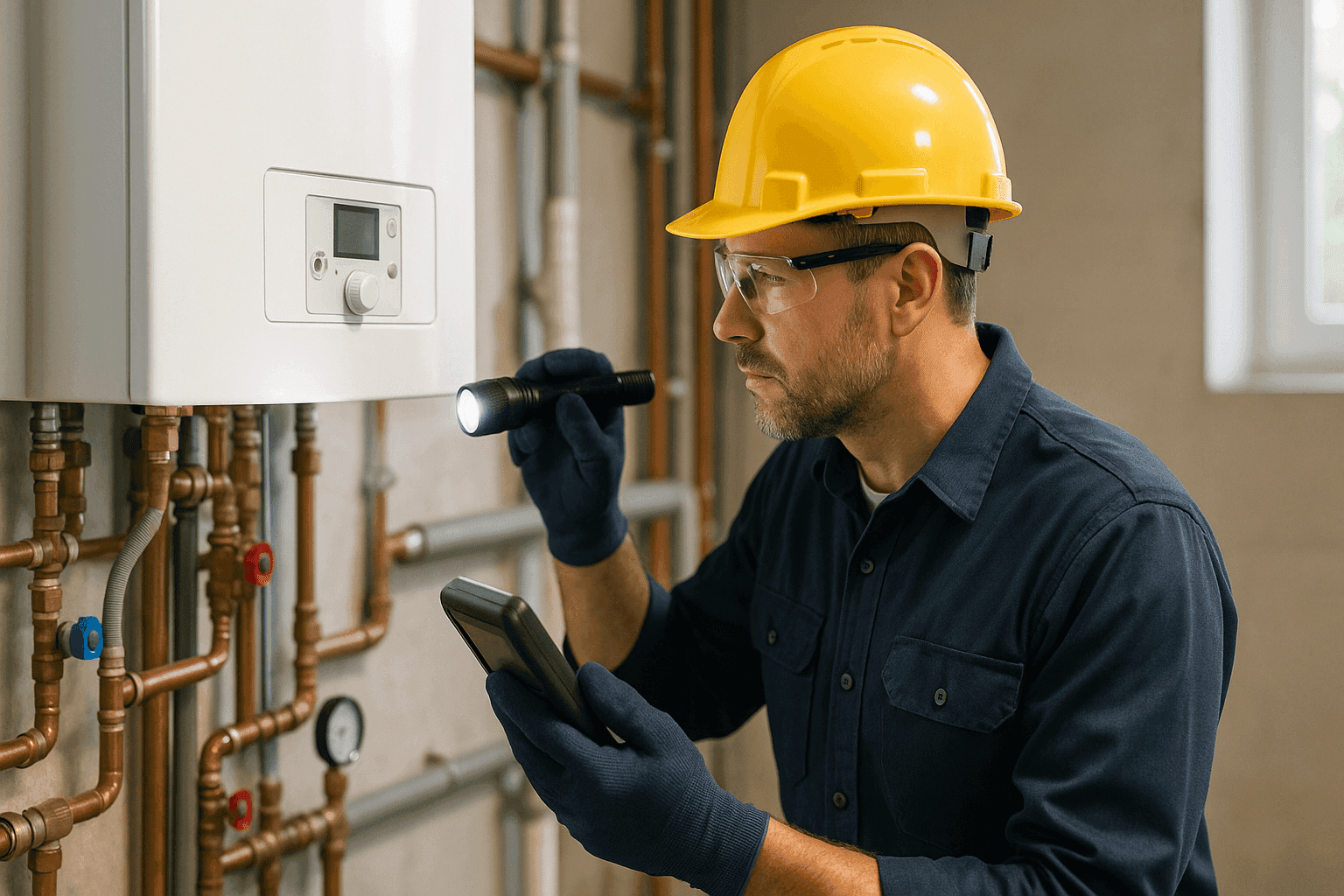
Winter sneaks up fast. One day you’re enjoying crisp autumn air, the next you’re shivering indoors, wondering why your radiators are cold and your boiler sounds like a haunted house. If you’ve ever felt that sharp sting of icy water when you expected a warm shower, you know how quickly things can go wrong.
At Plumbing Xpert, we understand how vital a working boiler is for your comfort, safety, and peace of mind. Our licensed emergency plumbing team has seen it all—from tiny leaks to major breakdowns. Whether you’re facing unusual noises, worrying about carbon monoxide, or just want to keep your system humming, this guide will walk you through what you need to know.
How Boilers Work
Think of your boiler as your home’s heart in winter. Instead of pumping blood, it pumps heat. Water is heated inside the boiler using gas, oil, or electricity. This hot water (or sometimes steam) travels through pipes, radiators, or underfloor heating, spreading warmth throughout your home.
- Closed loop: Most modern boilers use a closed system, meaning the same water circulates again and again.
- Pressure: Boilers rely on water pressure. Too high or low, and things can go sideways.
- Automatic controls: Thermostats, timers, and safety valves help regulate everything.
Like a heart, when something’s off, the whole system suffers.
Common Boiler Issues
Boilers are tough, but they’re not invincible. Here are some of the most frequent problems we see in emergency plumbing calls:
- No heat or hot water: Could be anything from a broken thermostat to low water levels.
- Strange noises: Banging, whistling, or gurgling can signal air in the system, limescale, or failing parts.
- Leaking: Water around your boiler is a red flag. This often points to a bad seal, rust, or internal corrosion.
- Pilot light out: If your pilot won’t stay lit, you might have a broken thermocouple or gas supply issue.
- Low pressure: A drop in boiler pressure can mean a leak or a failed pressure relief valve.
- Radiators not heating: Sometimes the boiler works, but the warmth doesn’t reach every room. Could be trapped air, sludge, or a circulation problem.
If your boiler starts acting up—especially during a cold snap—don’t ignore it. Small issues can snowball into full-blown emergencies.
Safety Precautions 🛑
Boilers make life cozy, but they also carry serious risks if neglected. Here’s what every homeowner should keep in mind:
- Carbon monoxide (CO) dangers: Boilers can release CO, a colorless, odorless gas that’s deadly. Install CO detectors near your boiler and sleeping areas.
- Gas safety: Never try to fix a gas leak or gas line yourself. If you smell gas, leave your home immediately and call your local emergency line.
- Emergency shutoff: Know where your boiler’s shutoff valves are. If you see water leaking or suspect a gas issue, turn off the boiler and water supply.
- Ventilation: Make sure vents and flues are clear. Blocked vents can cause dangerous fumes to back up inside.
- Electrical safety: If you see sparks or smell burning, shut off power to the boiler and call for help.
The U.S. Consumer Product Safety Commission and local building codes provide important guidelines for residential boiler safety. Always follow them.
Maintenance Checklist
Prevention is your boiler’s best friend. Before winter hits, run through this checklist:
- Check for leaks: Look around the base for drips or puddles.
- Listen for noises: Pay attention to bangs, whines, or gurgles.
- Monitor pressure: Most boilers need to stay between 1–2 bar (check your manual).
- Test your CO detector: Replace batteries each year.
- Inspect the flame: On gas models, a healthy pilot flame should be blue—not yellow or orange.
- Bleed radiators: Use a radiator key to let out trapped air if radiators are cold at the top.
- Schedule annual servicing: A licensed plumber can spot hidden problems before they get worse.
- Clean vents and flues: Clear away dust, lint, and debris from exhaust pipes.
Many issues are easier to fix early, before they become big, expensive headaches.
When to Repair or Replace
Sometimes, it’s hard to know whether a quick fix will do—or if it’s time for a new boiler.
Signs Repair Might Be Enough
- The issue is isolated (like a stuck valve or minor leak)
- Boiler is less than 10 years old
- Parts are still available
- No major corrosion or repeated breakdowns
Signs You Should Consider Replacing
- Your boiler is over 15 years old
- Repairs are more frequent and costly
- Rust, severe leaks, or cracks in the heat exchanger
- Energy bills keep climbing despite maintenance
- You notice odd smells, soot, or yellow flames
Remember, a new boiler can be a big investment, but it may pay off in lower heating bills and greater peace of mind.
Quick Safety Checklist
Safety first, always. Here’s a fast reference for every homeowner:
- Install and regularly test CO detectors
- Know how to turn off your boiler and gas supply
- Keep vents and flues clear
- Never block air intakes
- Schedule annual inspections with a licensed plumber
- If you suspect a leak, don’t delay—call for emergency plumbing help
DIY Safety Checks vs. When to Call a Pro
There are some things you can check yourself. But when in doubt, don’t risk it—call Plumbing Xpert.
What You Can Check
- Pressure gauge
- Bleed radiators
- Test CO detector
- Look for obvious leaks
- Listen for unusual sounds
When to Call for Help
- Persistent leaks or water around the boiler
- Pilot light won’t stay lit
- Boiler keeps shutting off
- Strange smells or signs of soot
- Gas smells or suspected CO leaks
Tinkering with gas lines or electrical connections is never a safe DIY project. Call a licensed emergency plumbing service.
What Pros Do On Arrival
Wondering what happens when you call for help? Here’s what our Plumbing Xpert team does:
- Safety check: Inspect for gas leaks, CO, and electrical hazards.
- Diagnostic: Read error codes, test system pressure, and examine key components.
- Visual inspection: Check for corrosion, leaks, or wear.
- Component testing: Thermostats, valves, igniters, pumps, and sensors get a close look.
- Flue and vent inspection: Make sure exhaust is flowing safely outside.
- System flush: Remove sludge or debris if needed.
- Repairs or recommendations: Fix the problem, or suggest replacement if repairs won’t last.
We follow local plumbing codes and safety standards, including recommendations from the National Fire Protection Association and the U.S. Department of Energy.
Prevention & Maintenance
A little care goes a long way. Here’s how to help your boiler last longer and work better:
- Annual servicing: Have a licensed plumber inspect and clean your boiler every year.
- Keep it clean: Dust and debris can cause overheating.
- Check insulation: Make sure pipes are insulated, especially in unheated spaces.
- Monitor water quality: Hard water leads to limescale. Consider a water filtration system if you notice white buildup.
- Test pressure regularly: Low pressure often means a leak somewhere in the system.
- Bleed radiators: Keeps warm water circulating smoothly.
Sticking to a maintenance routine can help prevent emergency plumbing calls—and keep your home warm even when the weather outside is frightful.
Costs & Time Factors
Boiler repairs and maintenance aren’t one-size-fits-all. Here’s what to expect:
- Simple fixes: Bleeding radiators or replacing a thermostat can take under an hour.
- Moderate repairs: Replacing valves, pumps, or sensors might take 1–3 hours.
- Major repairs: Heat exchanger replacement or extensive leak repair could take half a day or more.
- Annual servicing: Usually 1–2 hours, depending on the system’s age and condition.
Cost depends on the problem, age of your boiler, and parts availability. Emergency plumbing visits can add to the price, especially after hours or in extreme weather.
When It’s an Emergency
Some boiler problems just can’t wait:
- No heat during freezing weather: Risk of burst pipes, especially if you’re away from home.
- Major leaks: Water damage spreads fast—shut off the boiler and call for help.
- Suspected gas leak or CO: Leave your home and call emergency services.
- Electrical burning smell or smoke: Cut power and get a professional immediately.
If you’re unsure, it’s better to call for help than risk your safety or your home.
FAQ
How often should I service my boiler?
Most manufacturers and local safety codes recommend once a year. Annual inspections help catch hidden issues and keep your system running efficiently.
What causes banging or gurgling noises?
Often, it’s trapped air or limescale inside your boiler or pipes. Sometimes, it can mean a failing pump or valve. If it’s persistent, call for assessment.
Can I use my boiler for both heat and hot water?
Many modern boilers are “combi” models, providing both. If yours isn’t, you might have a separate water heater.
What’s the best way to prevent frozen pipes during winter?
Keep your heating on low if you’re away, insulate exposed pipes, and ask Plumbing Xpert about preventative maintenance and winterization tips.
Local/Seasonal Considerations ❄️
Boilers face different challenges depending on your climate:
- Cold climates: Insulate pipes, set thermostats to prevent freezing, and schedule fall checkups before the first frost.
- Milder regions: Even if deep freezes are rare, annual maintenance prevents sudden failures.
- Variable weather: Quick swings in temperature can stress older systems. Pay attention to pressure and schedule regular checks.
If you notice issues like slow heating, uneven warmth, or rising energy bills, don’t wait for a breakdown. The right maintenance makes all the difference, no matter where you live.
Stay warm, stay safe, and don’t let a boiler breakdown catch you off guard. If you spot warning signs or need fast help, Plumbing Xpert is standing by.
Call Plumbing Xpert now — or reach us anytime at 877-657-7699 .