Bathroom Plumbing Upgrades: What Adds Value and Comfort?
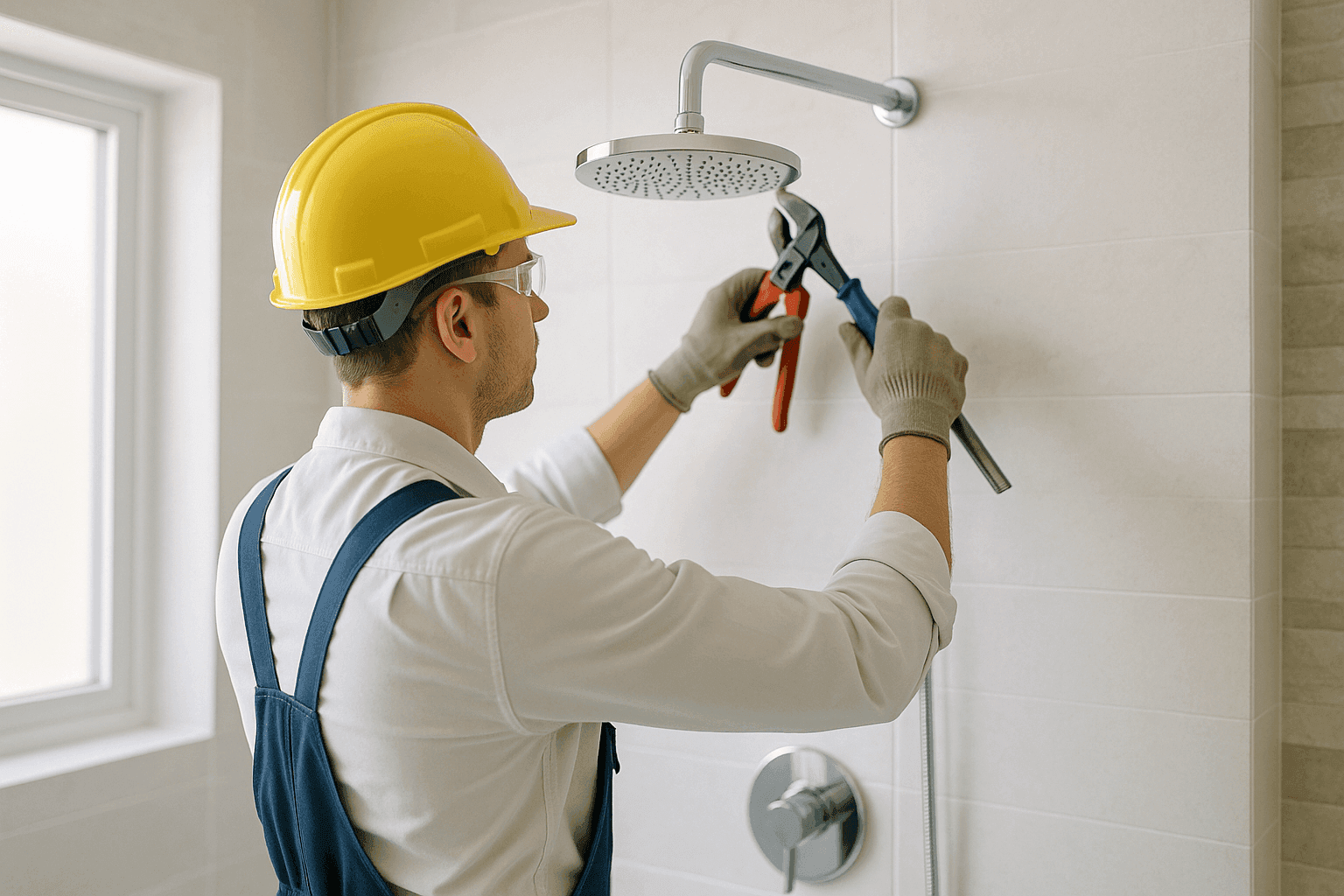
Is your bathroom a sanctuary—or a source of stress? Maybe you’re tired of that slow drain, the leaky faucet, or the outdated showerhead that sputters more than it sprays. You’re not alone. For many homeowners, old bathroom plumbing is like a car with a sticky ignition: it works, but every ride feels like a gamble.
Making smart upgrades isn’t just about style. It’s about comfort, safety, and protecting your home’s value. At Plumbing Xpert, we help families with everything from emergency plumbing and leak repair to full bathroom transformations. Let’s break down which upgrades really matter—and how to tackle them with confidence.
Popular Bathroom Upgrades 🚿
Bathroom plumbing is more than pipes. It’s the hidden backbone behind every hot shower, every clean sink, every flush. Here’s what homeowners are choosing now:
Modern Fixtures: Small Changes, Big Impact
- Low-flow toilets and faucets: Save water, lower bills, and help the planet.
- Touchless faucets: Perfect for messy hands and less germ spread.
- Rainfall and multi-spray showerheads: Like a spa, but at home.
- Smart controls: Set water temp, pressure, or even start your shower from your phone.
Eco-Friendly Options
Think of your plumbing like a river. The less water wasted, the better for everyone downstream. Eco-friendly options include:
- Dual-flush toilets: Choose how much water you use per flush.
- Tankless water heaters: Hot water on demand—no more waiting or wasted energy.
- Water filtration systems: Clean, fresh drinking water straight from the tap.
Accessibility Upgrades
A bathroom should be safe for everyone, at every age. Consider:
- Walk-in showers: No more tripping over tub edges.
- Grab bars and anti-scald valves: Extra safety for kids and seniors.
- Comfort-height toilets: Easier to use for those with mobility issues.
Repiping and Preventative Maintenance
Older homes? Pipes can be sneaky troublemakers. Repiping with modern, corrosion-resistant materials prevents leaks and water damage before they start.
- PEX or copper piping: Durable and code-compliant.
- Shut-off valves: Quick response in case of leaks.
DIY vs. Professional Installations 🛠️
It’s tempting to watch a few videos and grab a wrench. Some upgrades are DIY-friendly. Others? Not so much.
DIY-Friendly Projects
- Replacing showerheads or faucet aerators.
- Installing a new toilet seat or handle.
- Swapping out visible sink fixtures.
If you’re handy and stick to simple tasks, you can save money. But always double-check instructions and safety guidelines from sources like the International Association of Plumbing and Mechanical Officials (IAPMO).
Leave It to the Pros
Some jobs are like iceberg tips—what you see isn’t the whole story. Call a licensed plumber for:
- Moving or replacing pipes inside walls or floors.
- Sewer Line Repair near you (especially if you suspect root intrusion or backflow).
- Gas line or water heater work.
- Anything involving code compliance or major fixtures.
DIY mistakes can lead to leaks, water damage, and even voided warranties. Some repairs must be inspected or permitted—especially for insurance or resale.
Value and Comfort Benefits
Upgrading your bathroom plumbing isn’t just about looks. It’s peace of mind. Here’s what you gain:
- Higher home value: Buyers love updated bathrooms (next to kitchens, they’re a top seller).
- Lower utility bills: Efficient fixtures mean less wasted water and energy.
- Health and safety: Clean water and safe fixtures protect your family.
- Comfort: The little things—like perfect water pressure or a faucet that turns on with a wave—make daily routines feel special.
Typical Timelines and What to Expect
Every job is different. But here’s a rough idea:
- Simple fixture swaps: 1–2 hours.
- Toilet or faucet installations: 2–4 hours.
- Full repiping or remodels: Several days to a week, depending on size and complexity.
Unexpected problems (like hidden leaks or old, brittle pipes) can add time. A reputable plumber communicates clearly about what’s happening and why.
Bathroom Plumbing Code and Warranty Issues
Building codes exist for a reason. They keep your home safe and your upgrades legal. Key points:
- Permits: Major changes—moving pipes, sewer line work, or adding a new fixture—often require a permit. Skipping this can cause trouble if you sell or have an insurance claim.
- Warranties: Many manufacturers won’t honor warranties on fixtures or appliances unless installed by a licensed professional.
- Inspections: For gas lines, water heaters, or backflow prevention, inspections may be required by your local municipality or utility.
Always check with your local building department. The Uniform Plumbing Code (UPC) and National Standard Plumbing Code (NSPC) are respected sources for guidelines.
Practical Tips for Homeowners
- Plan ahead: Know what fixtures you want and check they’re compatible with your home’s water pressure and pipe sizes.
- Turn off water: Always before starting any project.
- Keep manuals and receipts: For warranty and future repairs.
- Schedule preventative maintenance: Annual inspections catch leaks or corrosion before they become emergencies.
Frequently Asked Questions
How do I know if I need new pipes?
Watch for rusty water, frequent leaks, or low water pressure. If your home is over 50 years old and still has original pipes, it’s time to consider replacement.
Can I install a new toilet myself?
Often, yes—if you’re comfortable lifting heavy objects and have basic tools. But if you spot damaged pipes or water stains, call a plumber.
What’s the best way to prevent clogs?
Avoid flushing wipes and pouring grease down drains. Regular drain cleaning helps, especially if you have an older system.
Is emergency plumbing available for bathroom leaks?
Absolutely. Plumbing Xpert offers emergency plumbing 24/7 for leaks, clogs, or other urgent problems.
Local and Seasonal Considerations 🌦️
Where you live—and the season—can change your bathroom plumbing needs.
- Cold climates: Insulate pipes to prevent freezing. Sump pump repairs may be needed in stormy seasons.
- Hard water areas: Consider water filtration systems to protect fixtures from mineral buildup.
- Older neighborhoods: Sewer Line Inspection is smart before renovations, especially if trees are nearby.
Ready to Add Value and Comfort to Your Bathroom?
Upgrading your bathroom plumbing is an investment in your home’s future—and your daily happiness. Whether you need a simple fix or a full transformation, Plumbing Xpert brings the right tools, knowledge, and care.
Call Plumbing Xpert now — or reach us anytime at 877-657-7699 .