Backflow Prevention for Homeowners: What It Is & Why It Matters
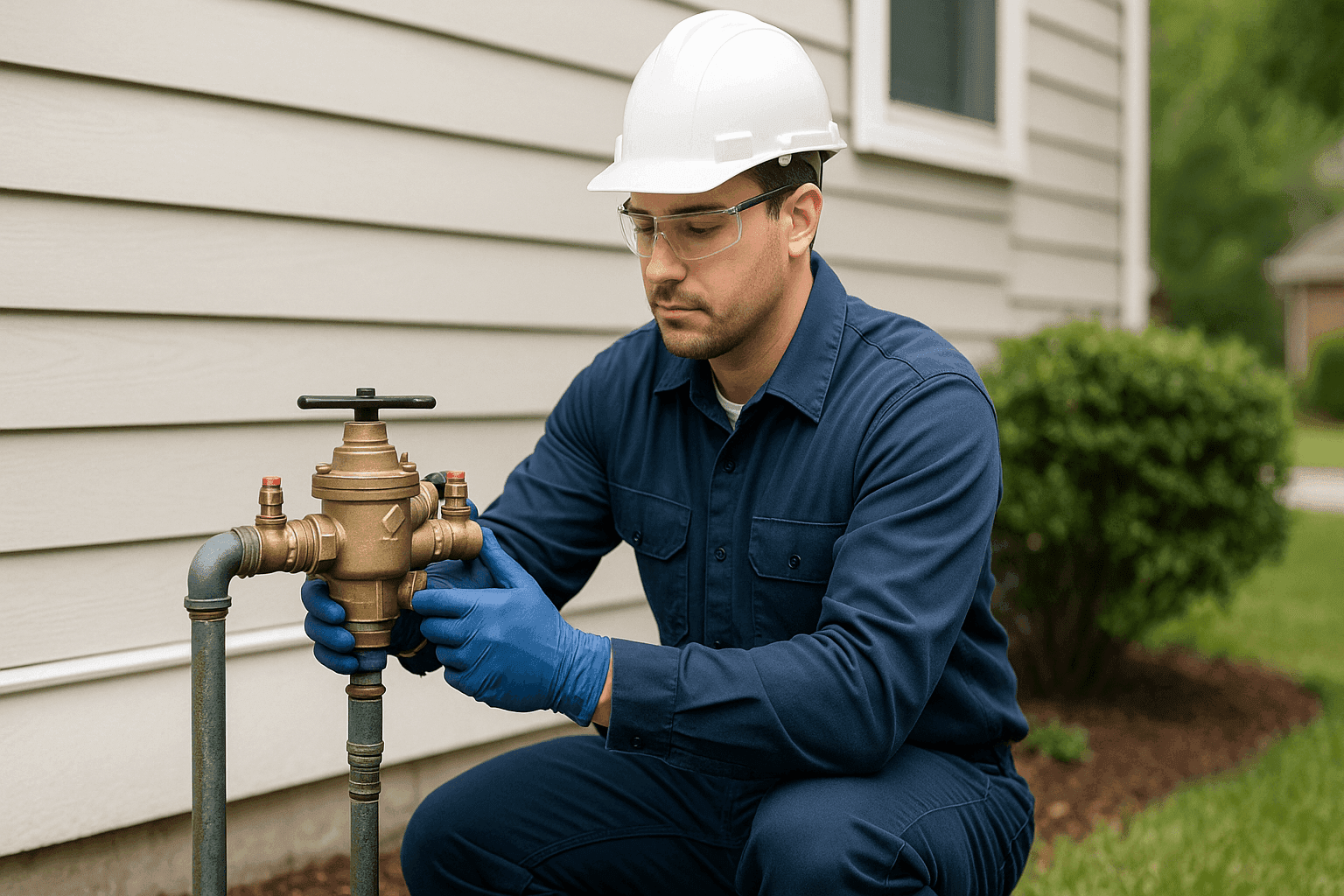
Water should always flow in one direction: into your home, clean and ready to use. But plumbing doesn’t always play by the rules. Sometimes, water reverses course. When it does, household safety is at risk.
If you’ve never heard of backflow, you’re not alone. Yet it’s a silent threat in every home, whether you live in a city apartment or a quiet suburb. Plumbing Xpert is here to help you understand why backflow prevention matters—and what you can do about it.
What Is Backflow? 🌀
Picture a river. It’s supposed to flow downstream, right? Now imagine it suddenly turns around, rushing upstream against the current. That’s backflow in a nutshell—but in your pipes.
Backflow happens when water pressure changes. Instead of water moving into your house, it slips backward, sometimes bringing contaminants with it. This isn’t just a plumbing hiccup. It’s a real risk to your family’s health.
There are two main ways backflow can occur:
- Backpressure: When your home’s water system pressure goes higher than the city’s supply. This can be caused by boilers, pumps, or even a sudden demand drop outside.
- Backsiphonage: Like sucking something up through a straw, if the city’s pressure drops (think: water main breaks, firefighting), water in your pipes can flow the wrong way.
Backflow isn’t limited to old houses or neglected plumbing. Even newly built homes with modern fixtures can experience it.
Risks and Health Hazards
Clean water keeps us healthy. Backflow threatens that by allowing pollutants to sneak into your drinking water. The stakes are high—think cross-contamination with:
- Lawn fertilizers or pesticides from irrigation systems
- Bacteria from toilets, sinks, or bathtubs
- Chemicals from water heaters or boilers
- Dirty water from washing machines and dishwashers
You might not see, smell, or taste these contaminants, but they can cause illness fast. The U.S. Environmental Protection Agency (EPA) and local health departments set strict rules to prevent this. Backflow is a public health issue, not just a plumbing concern.
Did you know? According to the Centers for Disease Control and Prevention (CDC), waterborne diseases can stem from poorly maintained plumbing and backflow events. That’s why local codes often require specific devices and annual testing.
Types of Backflow Preventers
Not all backflow preventers are created equal. The right device depends on where it’s installed and what it’s protecting.
1. Atmospheric Vacuum Breaker (AVB)
- Simple, affordable.
- Used for irrigation, hose bibs, and outdoor faucets.
- Stops back-siphonage but not backpressure.
2. Pressure Vacuum Breaker (PVB)
- Common in lawn irrigation.
- Handles both backpressure and backsiphonage.
- Needs to be above ground and tested yearly.
3. Double Check Valve Assembly (DCVA)
- Used for fire sprinkler and some residential systems.
- Stops moderate hazards—like garden chemicals.
- Requires periodic testing.
4. Reduced Pressure Zone (RPZ) Assembly
- The gold standard for high-risk areas.
- Used in kitchens, boilers, and bathrooms where contamination risk is serious.
- Must be professionally installed and tested every year.
Where Are They Used?
- Irrigation Systems: Prevent fertilizers and pesticides from seeping into your drinking water.
- Kitchens & Bathrooms: Protect against dirty sink or bathtub water reversing direction.
- Boilers & Water Heaters: Stop chemicals, rust, or bacteria from entering clean lines.
Check your local building code or ask your city’s water department for device requirements. Many municipalities require specific devices in certain locations, especially if you have an in-ground sprinkler or pool.
Testing and Maintenance 🛠️
Backflow preventers aren’t “set it and forget it.” Like a car’s brakes, they need regular checkups. Most codes require:
- Annual testing by a licensed plumber (Plumbing Xpert offers emergency plumbing and backflow testing near you)
- Immediate inspection after repairs or plumbing changes
- Replacement if a device fails inspection or shows signs of wear
How do you know your device is working? You don’t—unless it’s tested. Testing involves:
- Checking for leaks, rust, or blockages
- Verifying the valves close properly
- Recording results for city or county records
Keep a copy of your test report. Some towns can fine homeowners who skip annual backflow testing.
Cross-Contamination: The Hidden Threat
Cross-contamination is a fancy way to say “mixing things that shouldn’t mix.” In plumbing, it means clean and dirty water blend together. The risk is highest where your plumbing connects to “hazardous” sources, like:
- Garden hoses left in puddles or attached to sprayers
- Fill valves in toilets and laundry tubs
- Water heaters with faulty check valves
Simple steps (like always using a hose bib vacuum breaker) can make a big difference.
Local Code Requirements: What Homeowners Need to Know
Every city and county sets its own plumbing code, but most follow the Uniform Plumbing Code (UPC) or International Plumbing Code (IPC). These codes say:
- Backflow prevention is mandatory on irrigation, fire sprinkler, and some indoor plumbing lines
- Only certified plumbers can install or test devices
- Annual testing is required—and you may need to submit paperwork
If you’re selling your house, a failed backflow test can delay closing. And if you’re remodeling, inspectors will check for proper backflow protection.
The Importance of Annual Testing
Think of annual testing like a flu shot for your plumbing. It’s about prevention, not just compliance.
- Protects your family’s health
- Prevents costly water damage or repairs
- Keeps you in good standing with your local water authority
You can schedule testing with Plumbing Xpert any time of year. If you notice low water pressure, discolored water, or odd smells, don’t wait—get it checked right away.
Practical Tips for Homeowners
- Don’t submerge hoses in buckets or pools.
- Use hose bib vacuum breakers for all outdoor taps.
- Schedule annual backflow tests—mark your calendar.
- Know where your main water shutoff valve is located.
- Keep all paperwork from inspections and repairs.
If you have a sprinkler system, pool, or boiler, make sure your backflow preventer is the right type and up to code.
Emergency Plumbing and Backflow: When Time Matters
Backflow can turn from a minor issue to an emergency fast. Signs you need immediate help:
- Suddenly brown or foul-smelling tap water
- Water flooding out of drains or fixtures
- Unexplained drop in water pressure
- Alarms or warning lights on your backflow device
If any of these happen, shut off your main water valve and call Plumbing Xpert for emergency plumbing services. We handle sewer line repair near you and are trained for urgent backflow problems.
Frequently Asked Questions
Do all homes need a backflow preventer?
Not every home needs the same device, but most need at least basic protection on outdoor faucets and irrigation lines. Check with your local water department or Plumbing Xpert.
How often should I test my backflow device?
Most codes require annual testing by a certified plumber. Don’t skip it—even if your water “seems fine.”
Can I install a backflow preventer myself?
Some simple devices (like hose bib vacuum breakers) are DIY-friendly. But most require professional installation and testing to meet code.
What happens if I ignore backflow prevention?
You risk contaminating your water and facing fines from local authorities. More importantly, you could endanger your family’s health.
Local and Seasonal Considerations
- Freezing Weather: Winter can damage backflow devices, especially above-ground ones. Insulate them or drain before the first frost.
- Heavy Rain or Flooding: Storms can overwhelm city sewers, increasing backflow risk. Inspect your system after big weather events.
- Remodeling: Any plumbing changes can affect your backflow setup. Always consult a licensed plumber before making alterations.
The Bottom Line
Backflow prevention isn’t just for plumbers or city officials. It’s for every homeowner who wants safe, clean water. By understanding your risks and staying proactive, you’ll keep your family protected and your plumbing up to code.
For annual testing, repairs, or emergency plumbing—including sewer line repair near you—Plumbing Xpert is ready to help.
Call Plumbing Xpert now — or reach us anytime at 877-657-7699 .